
- Infrastructure in Motion
 Electric vehicle charging infrastructure is no longer a future conversation. It is here, expanding rapidly, evolving technically, and challenging our industry in ways that demand both precision and foresight. What began as residential chargers and early DC fast charging corridors has matured into a complex ecosystem of fleet depots, commercial parking structures, workplace charging, transit… Read more: Infrastructure in Motion
 - Electric Vehicle Charging Infrastructure: Stations, Equipment, and Planning
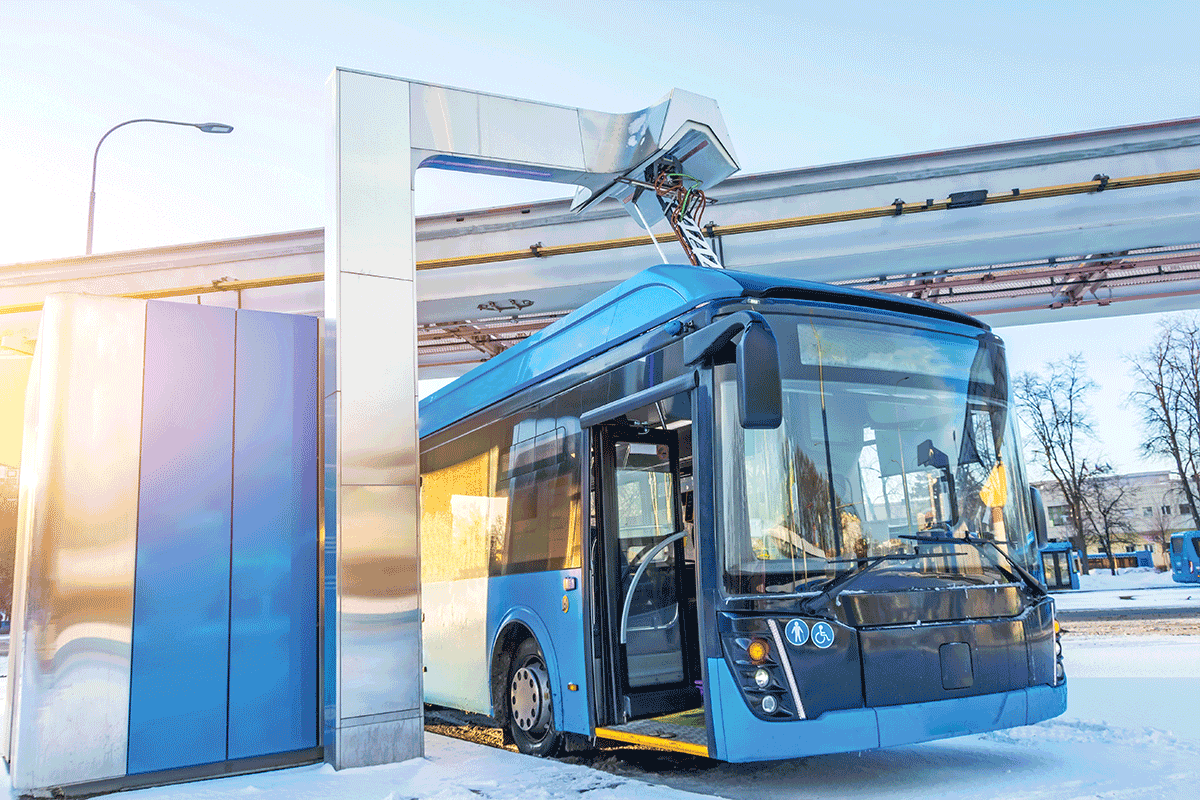 Department of Energy guidance explains EV charging station types, Level 1–DC fast equipment, connector terminology, and practical planning for procurement, installation, permitting, maintenance, and codes.
 - Residential Energy Storage Systems (ESS) and 2024 IRC Section 330 Compliance and Certified (Listed) Electric Vehicle (EV) Receptacles
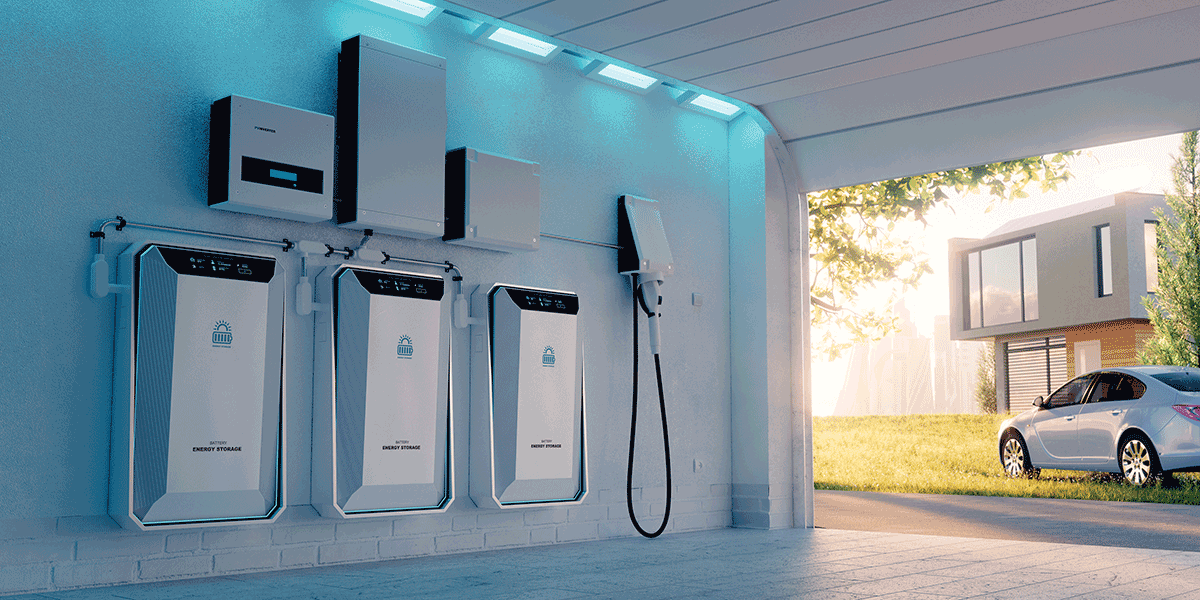 Question Are residential energy storage systems (ESSs) that meet the performance unit level criteria of UL 9540A as documented in a UL 9540A test report and not marked “for use in habitable spaces” exempt from compliance with the requirements found in Section 330 Energy Storage Systems of the 2024 International Residential Code (IRC)? Answer … Read more: Residential Energy Storage Systems (ESS) and 2024 IRC Section 330 Compliance and Certified (Listed) Electric Vehicle (EV) Receptacles
 - EV Infrastructure 2.0 and the 2026 NEC: Why Inspectors Are Key to Safe and Reliable Charging
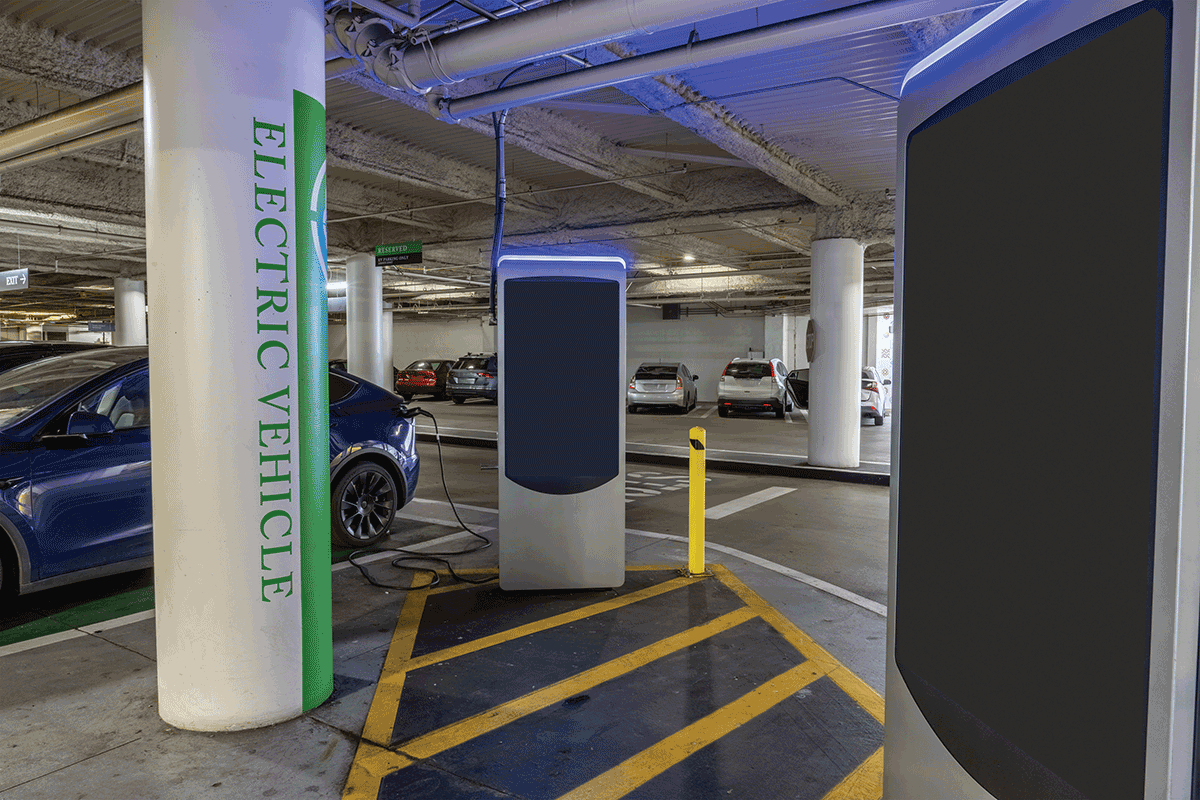 Examines how the 2026 NEC updates to Article 625 address higher-power EV Infrastructure 2.0 installations, highlighting key inspection priorities for safety, reliability, grounding, disconnecting means, and compliance.
 - Certification Challenges with Implementing NACS
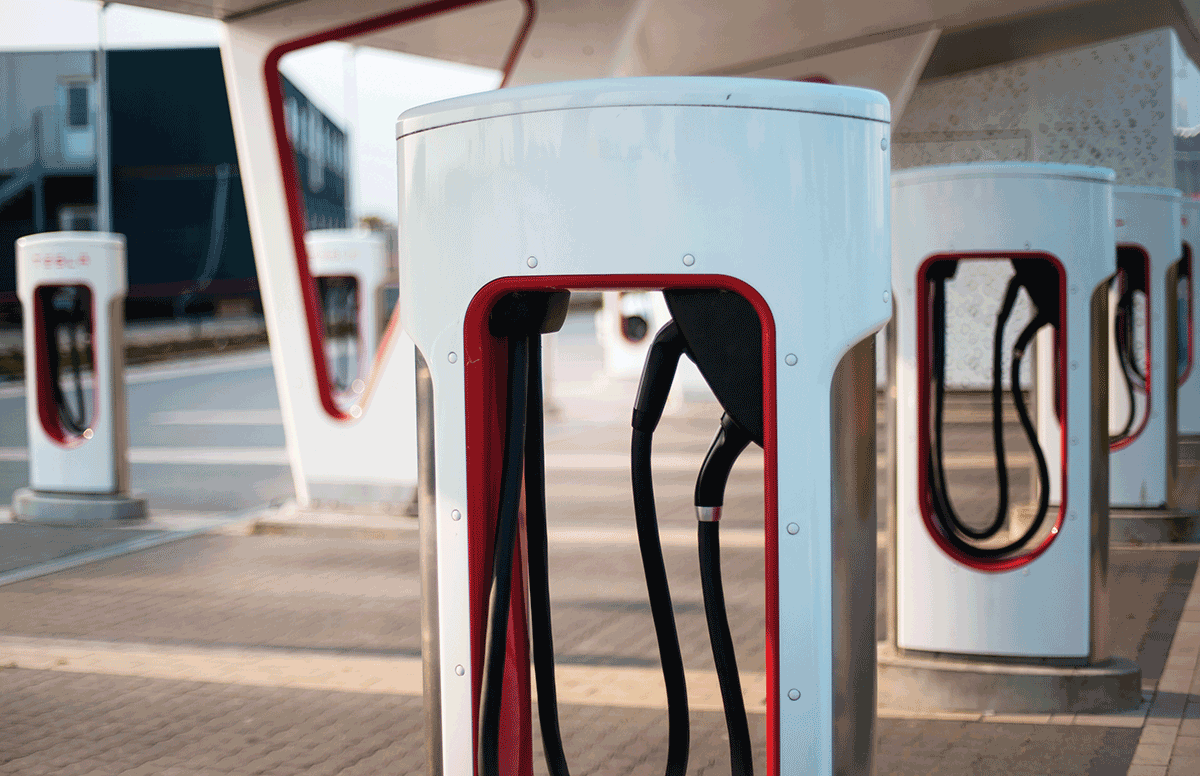 The rapid adoption of the North American Charging Standard (NACS) is creating new certification and inspection challenges as existing EVSE equipment is modified in the field.
 - Policy Sequencing for Electric Vehicle Charging Infrastructure Deployment
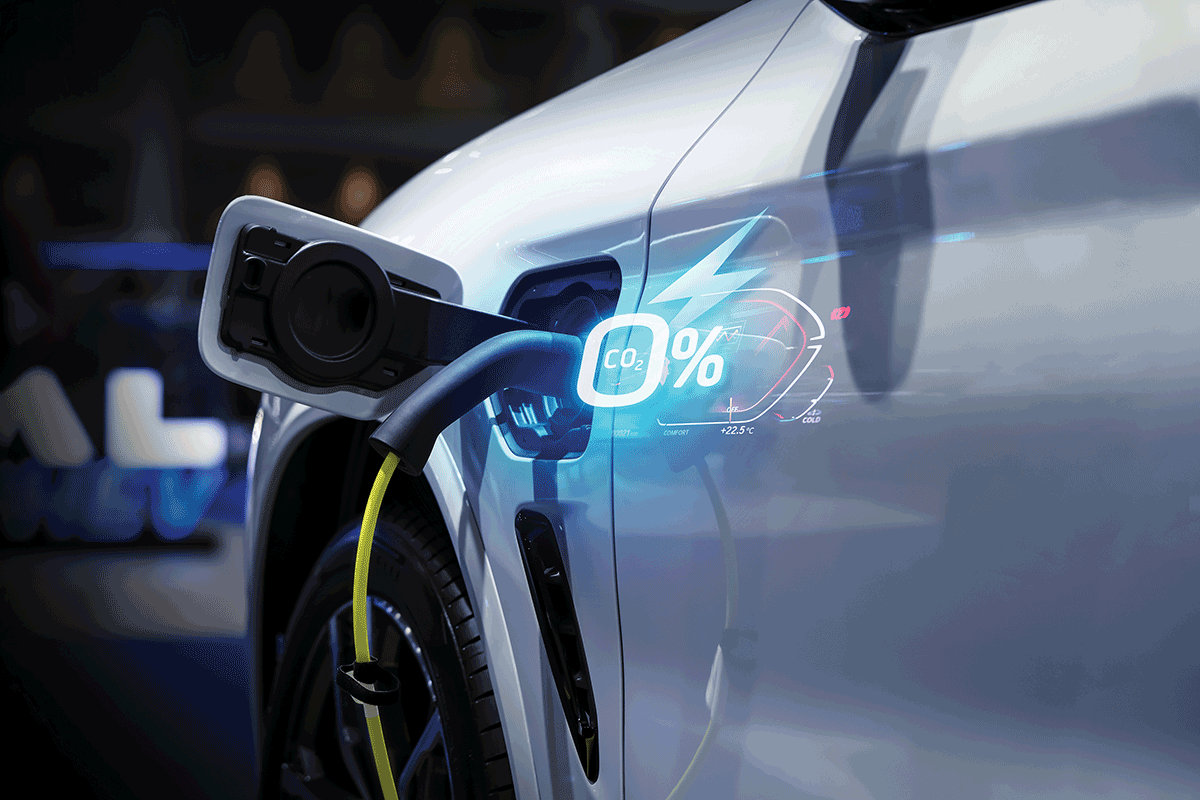 Explore how governments can sequence policies across market stages and vehicle types to accelerate equitable, reliable electric vehicle charging infrastructure deployment.
 - EV Infrastructure 2.0: Reliability, High-Power Charging, and Code
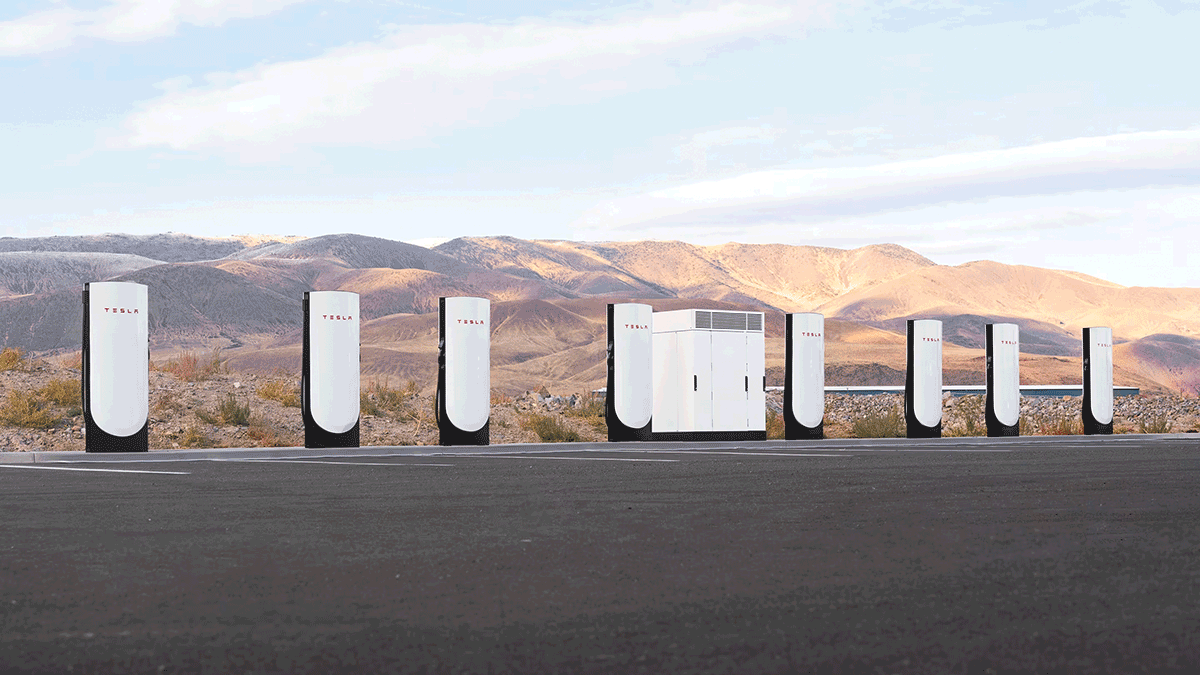 The shift from kilowatts to megawatts is redefining what matters in EV charging. Reliability, interoperability, and standards alignment now determine performance more than nameplate power.
 - Benefits and Best Uses of Liquidtight Conduit
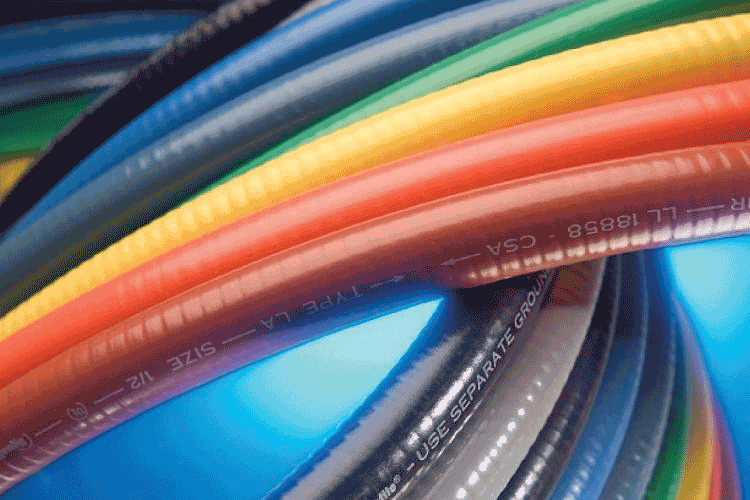 Explores the benefits and applications of liquidtight flexible metal conduit (LFMC), highlighting NEC Article 350 requirements, compliance standards, and its advantages in wet, corrosive, and demanding environments.
 - Improving EV Charging by Addressing the User ExperienceThis article explores how EV charging can expand safely while improving efficiency, reliability, and interoperability in mitigating fire and shock risks.
- That Bookshelf on the Wall Could be an Electrical Problem: A review of NEC Article 300.4
 This article reviews NEC Article 300.4 requirements for protecting concealed wiring in walls and explains how common fasteners can create short circuits, arcing faults, or shock hazards.
 - Artificial Intelligence is Becoming a Decisive Force in the Future of Lighting Technologies
 Explores how artificial intelligence is accelerating OLED innovation by navigating vast chemical spaces to design brighter, more efficient, and longer-lasting lighting and display materials.
 - Application of electrically connected life safety systems in electrical design and installations – discussion continues.
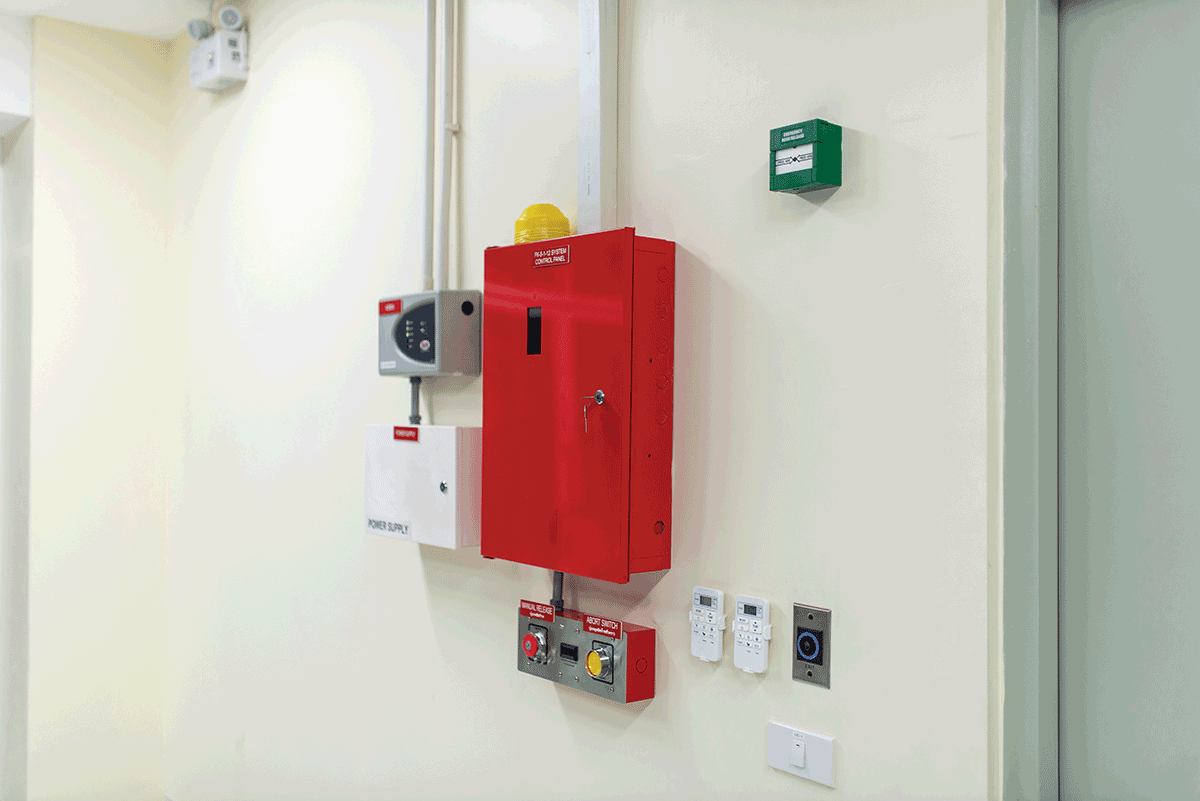 Clarifies enforcement responsibilities for electrically connected life safety systems, outlining how designers, contractors, and inspectors in Canada must apply requirements.
 - The Circuit Is Still Live: Why Experience Should Never Retire from the Electrical Industry
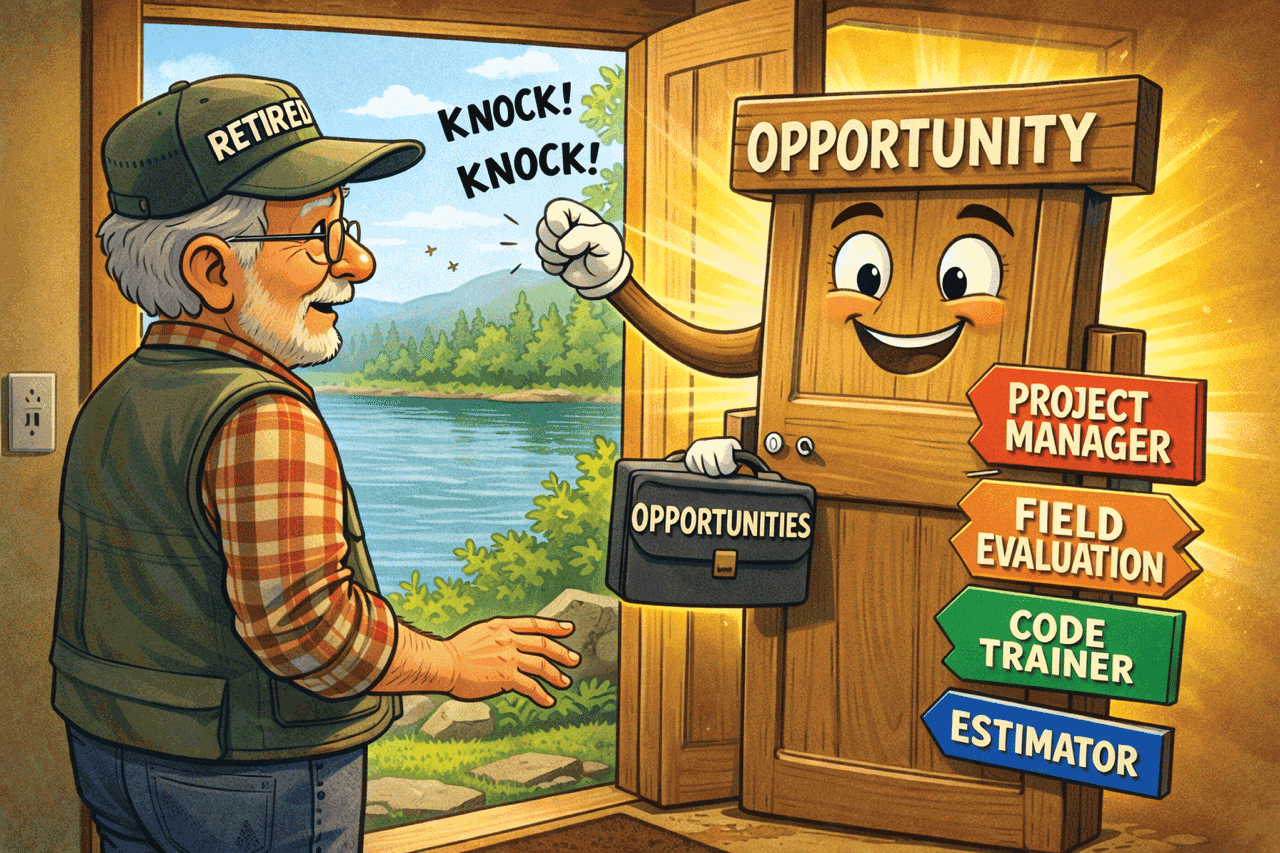 Explore how the industry-wide labor shortage extends beyond field crews to critical planning, and why retaining retired professionals’ expertise is essential to project success and code compliance.
 - IAEI Appoints Michelle Hayden as Interim Chief Executive Officer | Executive Committee Continues Search for Permanent CEO
 Richardson, TX — January 7th, 2026 — The Independent Alliance of the Electrical Industry (IAEI) announced today that Michelle Hayden has been named Interim Chief Executive Officer, effective immediately. Hayden brings extensive institutional knowledge and leadership experience to the interim role. She has served IAEI as the Director of Membership Services and is valued for… Read more: IAEI Appoints Michelle Hayden as Interim Chief Executive Officer | Executive Committee Continues Search for Permanent CEO
 - Modern Data Centers: Electrical Trends, Risks, and NEC® 2026 Implications
 Modern data centers now operate more like high-density industrial power systems than traditional IT rooms, pushing the limits of conductor ampacity, grounding, overcurrent protection, and medium-voltage distribution.
 - 50 Years of the UL Solutions Question Corner and The Code Authority Community
 The winter edition of the 2026 IAEI Magazine marks the 50th anniversary of the UL Solutions Question Corner column. The UL Question Corner – now UL Solutions Question Corner – first appeared in the January 1976 edition of the IAEI News. T
 - How Much Electricity Does a Data Center Use? Complete 2025 Analysis
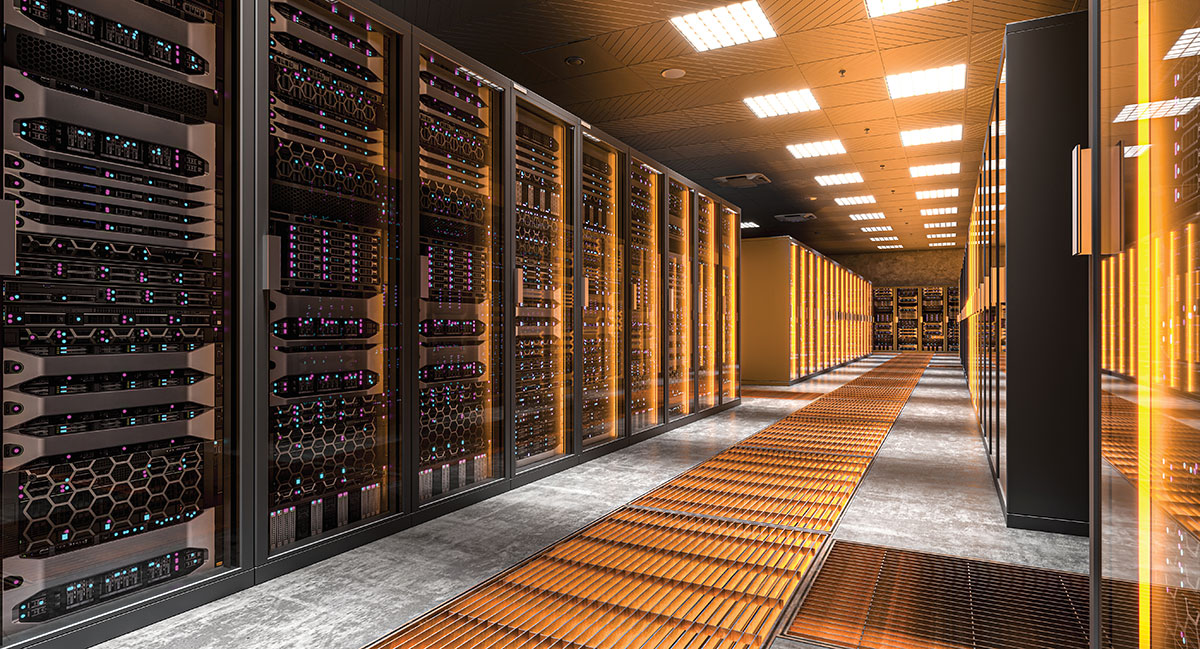 U.S. data center electricity consumption has tripled from 58 TWh in 2014 to 176 TWh in 2023, with projections suggesting it could reach 325-580 TWh by 2028—potentially consuming up to 12% of total U.S. electricity generation.
 - Non-Certified Equipment in Modern Data Centers: The Rising Role of Special Inspections and Field Evaluations
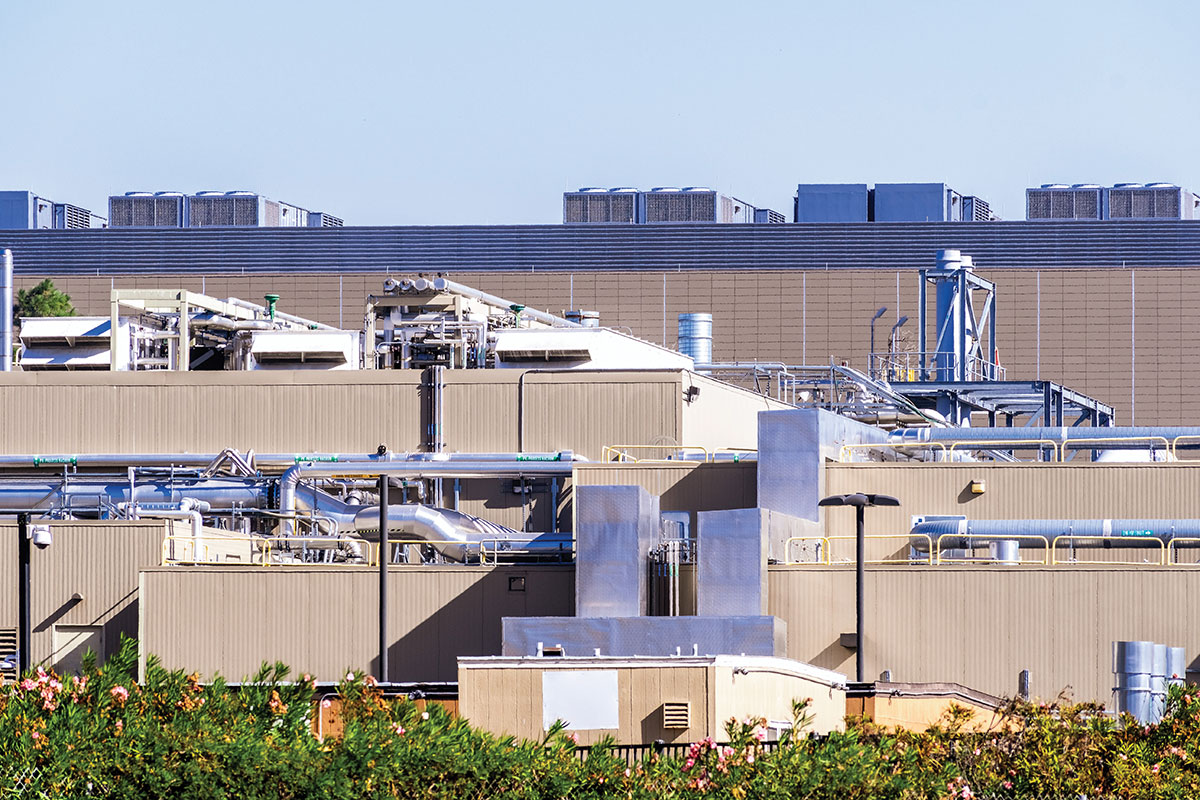 The race toward faster, greener data centers is bringing a surge of uncertified and custom equipment — leaving inspectors and AHJs to determine compliance in a rapidly changing landscape.
 - Mastering Ampacity: Understanding Conductor Sizing and Breaker Protection
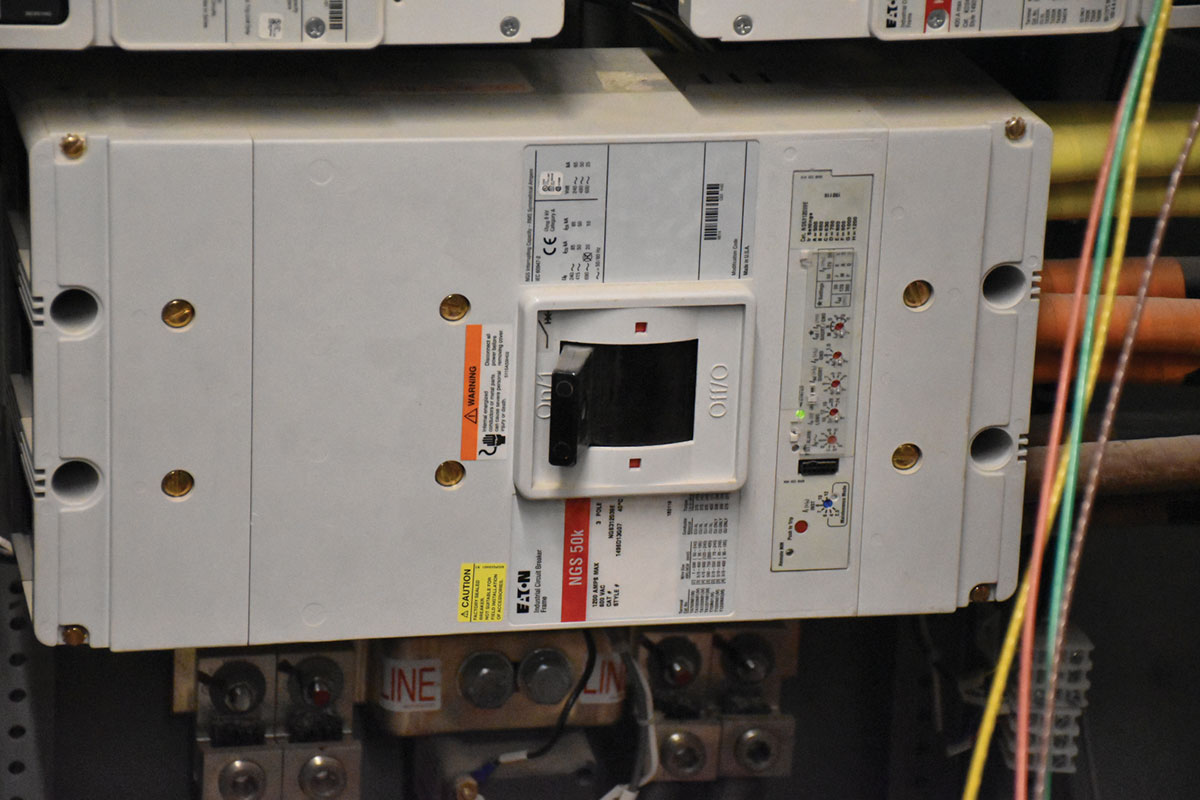 By separating conductor ampacity from equipment limitations, this article provides a structured approach to selecting conductors and OCPDs that meet both electrical performance and NEC requirements.
 - Field Labeling, Power Loads, and Electrical Safety in Modern Data Centers
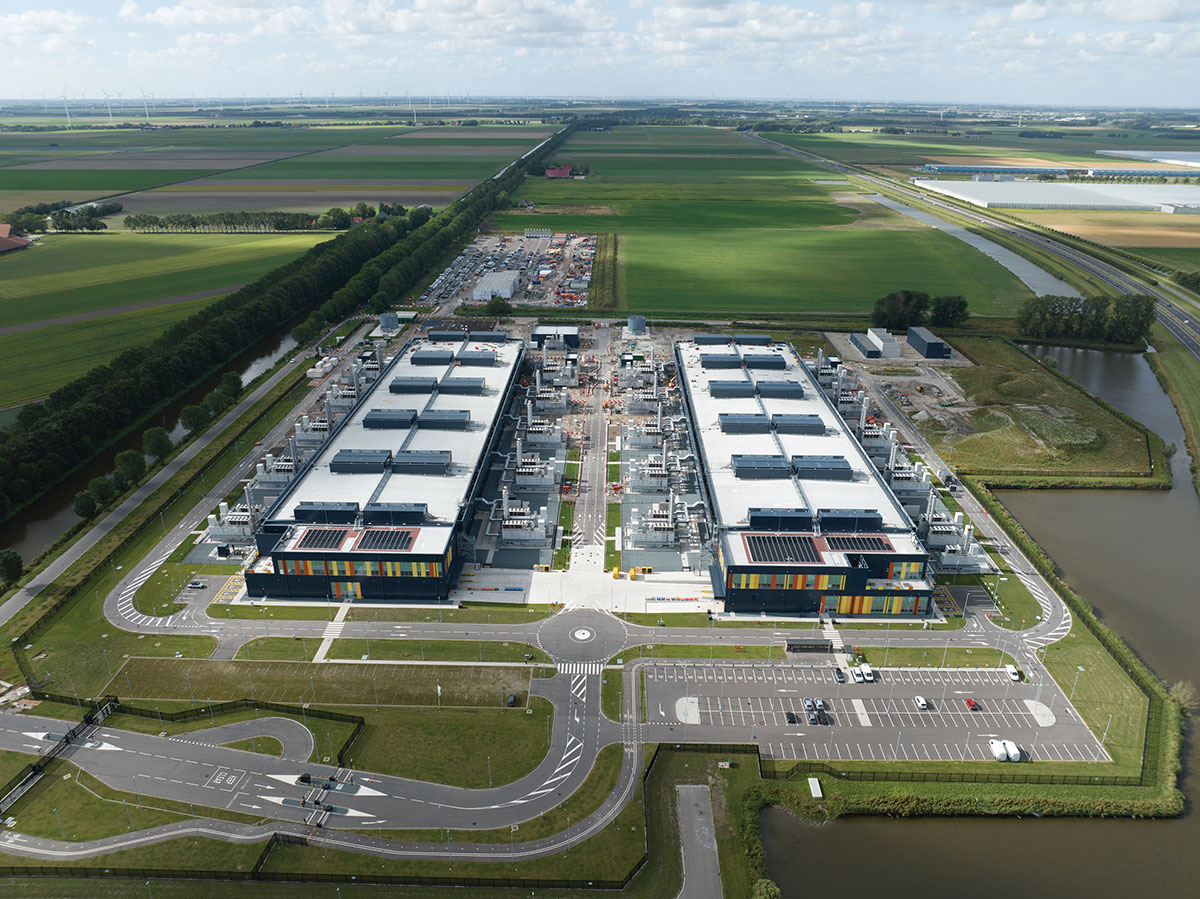 As data centers multiply to power the AI revolution, electrical inspectors find themselves on the front lines of ensuring these massive digital engines run safely and reliably.
 - Back to Basics: 2023 NEC Article 240 Part II of II Protecting Conductors From Overcurrents
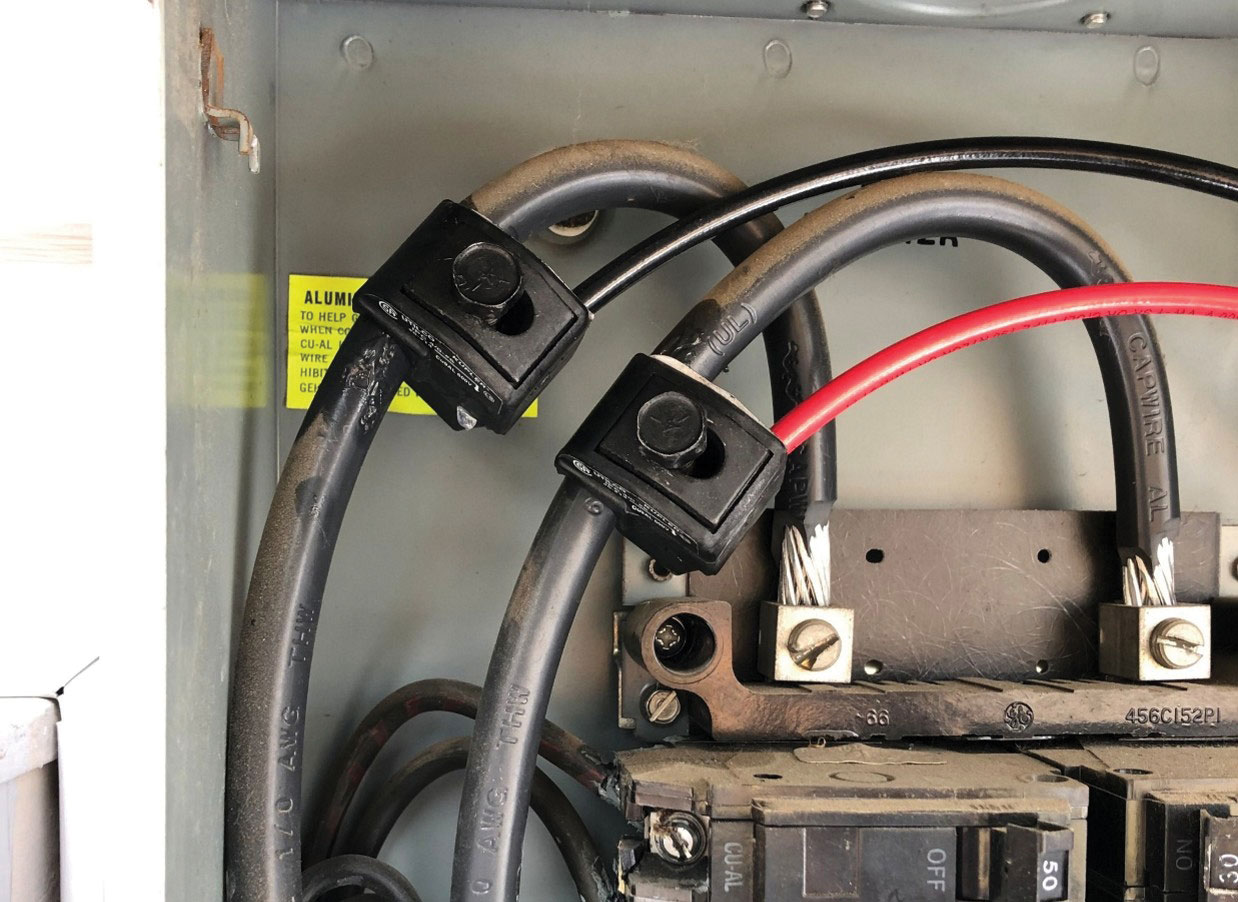 This article builds on Part I by examining the NEC rules for feeder taps, clarifying how conductors can be protected when OCPDs are not located at the supply point under Section 240.21(B).
 - Stepping Up Medium Voltage Requirements in the NEC
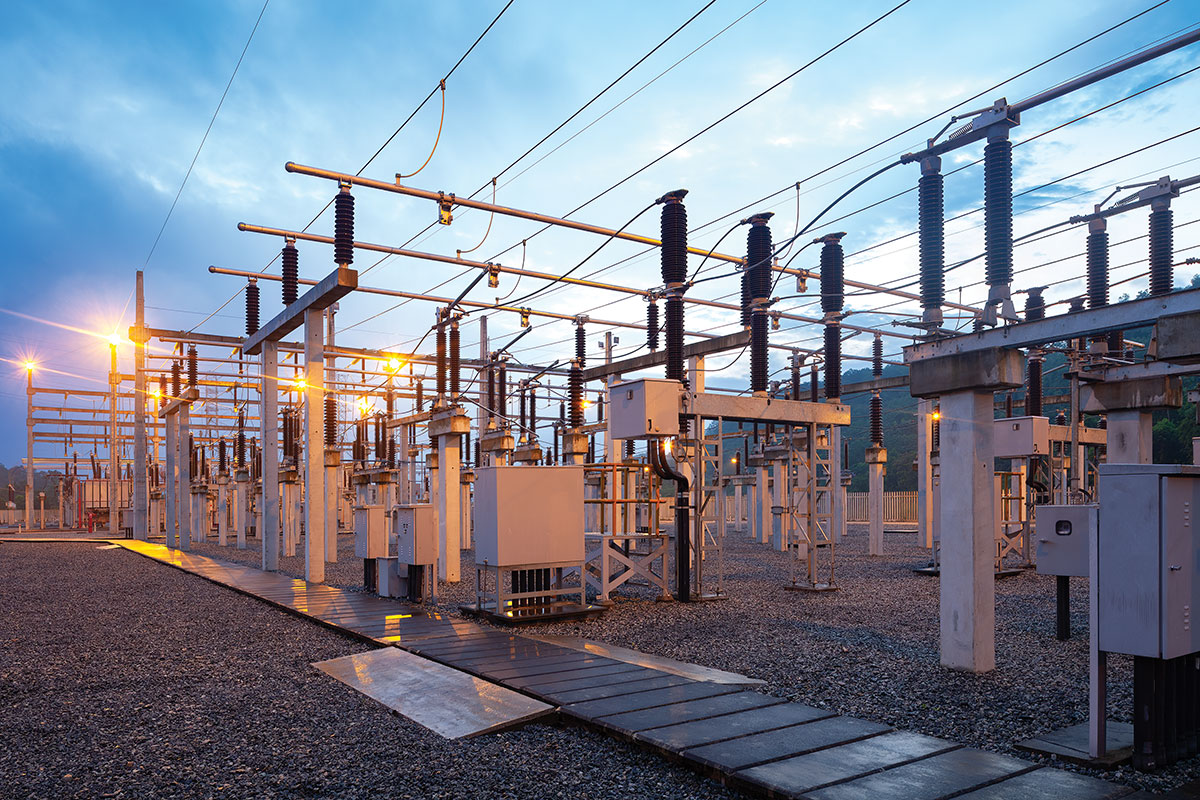 As the NEC evolves, medium-voltage requirements are undergoing major refinement and separation from low-voltage rules, improving clarity for users and setting the stage for the Code’s future restructuring.
 - NEC 300.4, Protection Against Physical Damage: Why This Overlooked Rule Still Matters After 30 Years
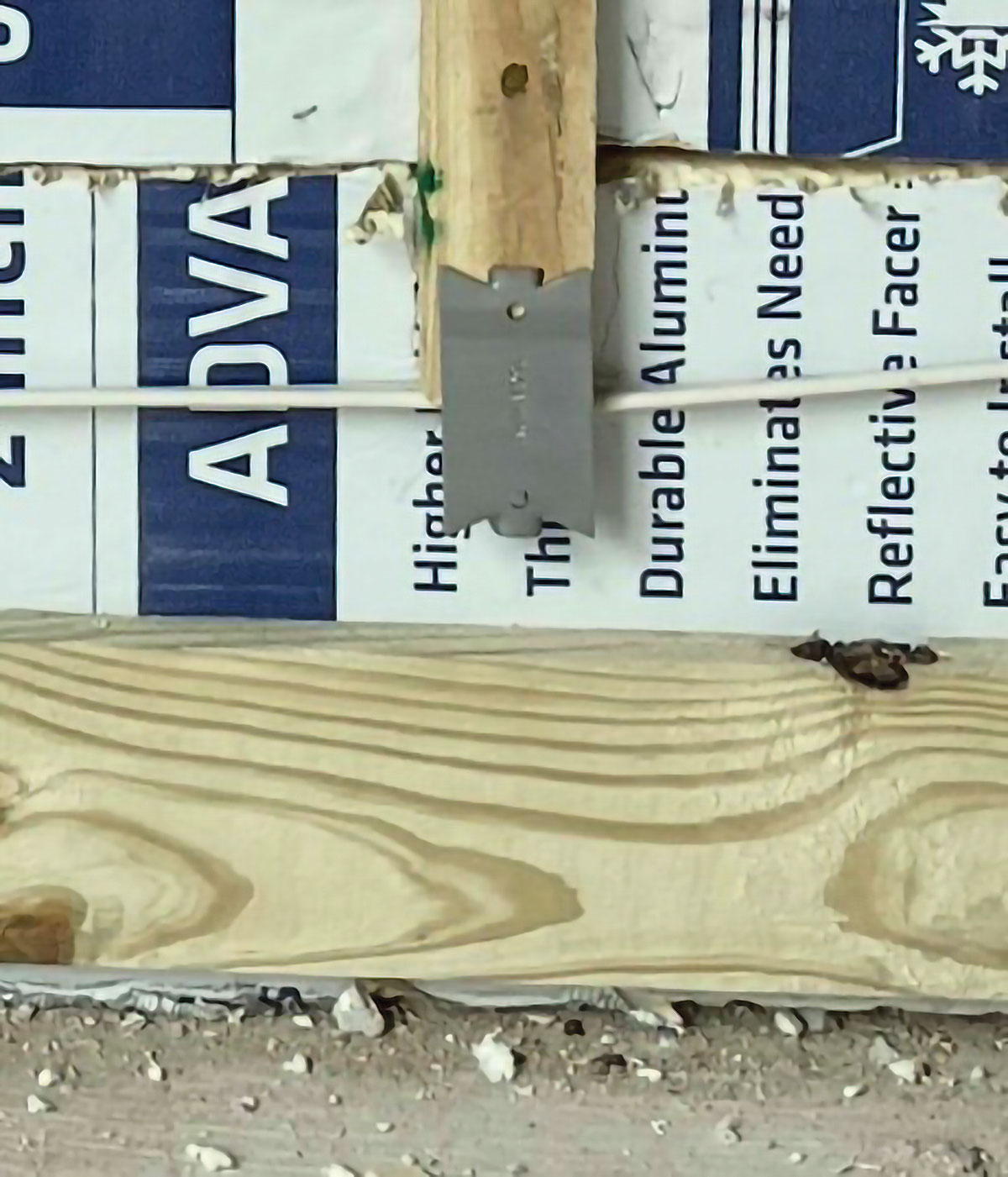 This article explains the intent and importance of NEC 300.4, emphasizing how proper protection against fastener penetration remains critical to preventing conductor damage, shock hazards, and fire risks.

Recent
Department of Energy guidance explains EV charging station types, Level 1–DC fast equipment, connector terminology, and practical planning for procurement, installation, permitting, maintenance, and codes.
Examines how the 2026 NEC updates to Article 625 address higher-power EV Infrastructure 2.0 installations, highlighting key inspection priorities for safety, reliability, grounding, disconnecting means, and compliance.
The rapid adoption of the North American Charging Standard (NACS) is creating new certification and inspection challenges as existing EVSE equipment is modified in the field.
Explore how governments can sequence policies across market stages and vehicle types to accelerate equitable, reliable electric vehicle charging infrastructure deployment.
The shift from kilowatts to megawatts is redefining what matters in EV charging. Reliability, interoperability, and standards alignment now determine performance more than nameplate power.
Explores the benefits and applications of liquidtight flexible metal conduit (LFMC), highlighting NEC Article 350 requirements, compliance standards, and its advantages in wet, corrosive, and demanding environments.
This article explores how EV charging can expand safely while improving efficiency, reliability, and interoperability in mitigating fire and shock risks.
This article reviews NEC Article 300.4 requirements for protecting concealed wiring in walls and explains how common fasteners can create short circuits, arcing faults, or shock hazards.
Explores how artificial intelligence is accelerating OLED innovation by navigating vast chemical spaces to design brighter, more efficient, and longer-lasting lighting and display materials.
Clarifies enforcement responsibilities for electrically connected life safety systems, outlining how designers, contractors, and inspectors in Canada must apply requirements.
Explore how the industry-wide labor shortage extends beyond field crews to critical planning, and why retaining retired professionals’ expertise is essential to project success and code compliance.
Modern data centers now operate more like high-density industrial power systems than traditional IT rooms, pushing the limits of conductor ampacity, grounding, overcurrent protection, and medium-voltage distribution.