

Modern data centers now operate more like high-density industrial power systems than traditional IT rooms, pushing the limits of conductor ampacity, grounding, overcurrent protection, and medium-voltage distribution.

The winter edition of the 2026 IAEI Magazine marks the 50th anniversary of the UL Solutions Question Corner column. The UL Question Corner – now UL Solutions Question Corner – first appeared in the January 1976 edition of the IAEI News. T
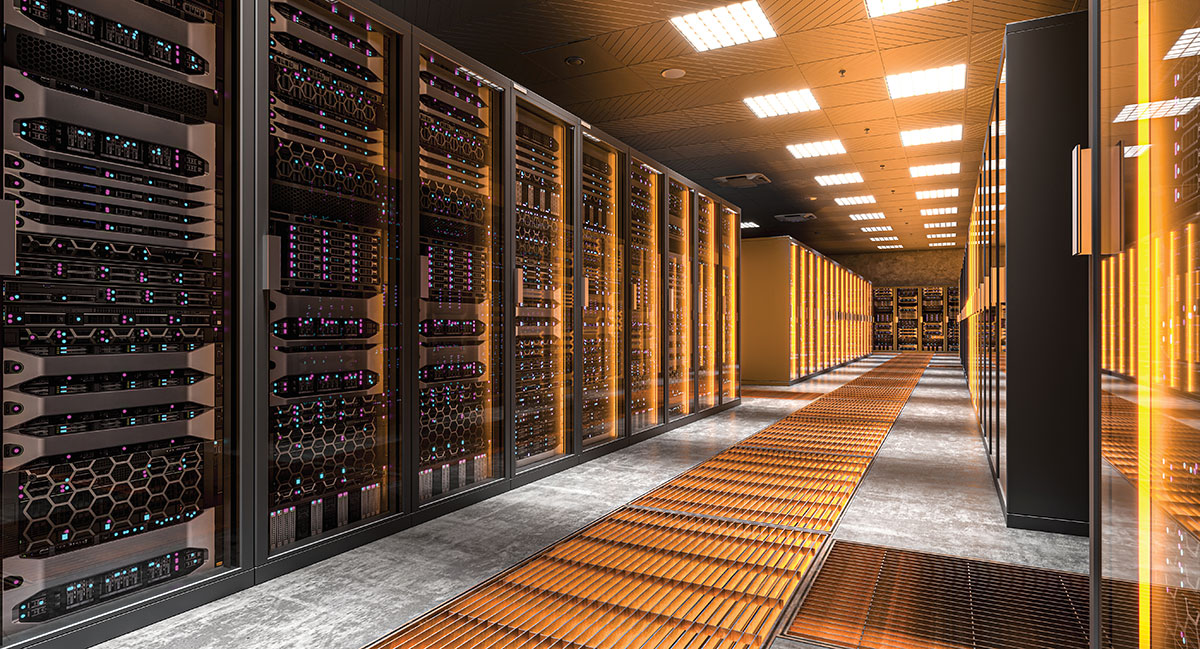
U.S. data center electricity consumption has tripled from 58 TWh in 2014 to 176 TWh in 2023, with projections suggesting it could reach 325-580 TWh by 2028—potentially consuming up to 12% of total U.S. electricity generation.

The race toward faster, greener data centers is bringing a surge of uncertified and custom equipment — leaving inspectors and AHJs to determine compliance in a rapidly changing landscape.
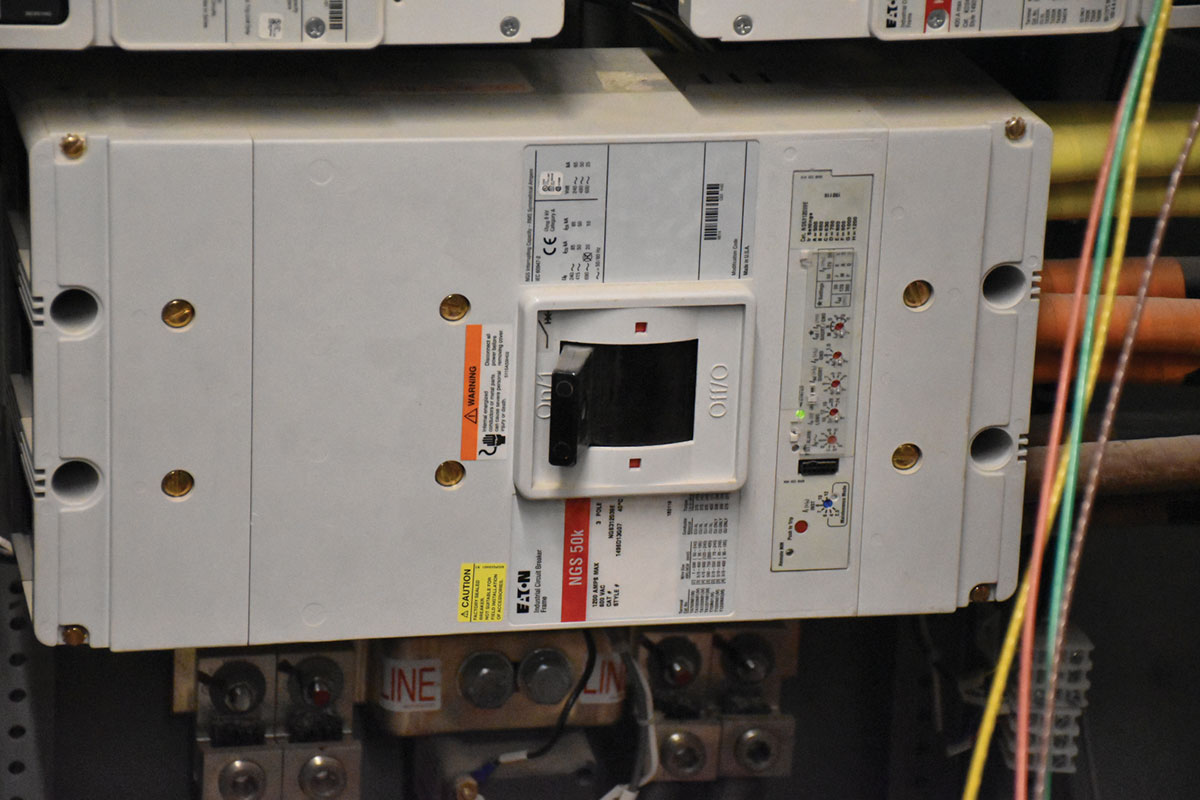
By separating conductor ampacity from equipment limitations, this article provides a structured approach to selecting conductors and OCPDs that meet both electrical performance and NEC requirements.

As data centers multiply to power the AI revolution, electrical inspectors find themselves on the front lines of ensuring these massive digital engines run safely and reliably.
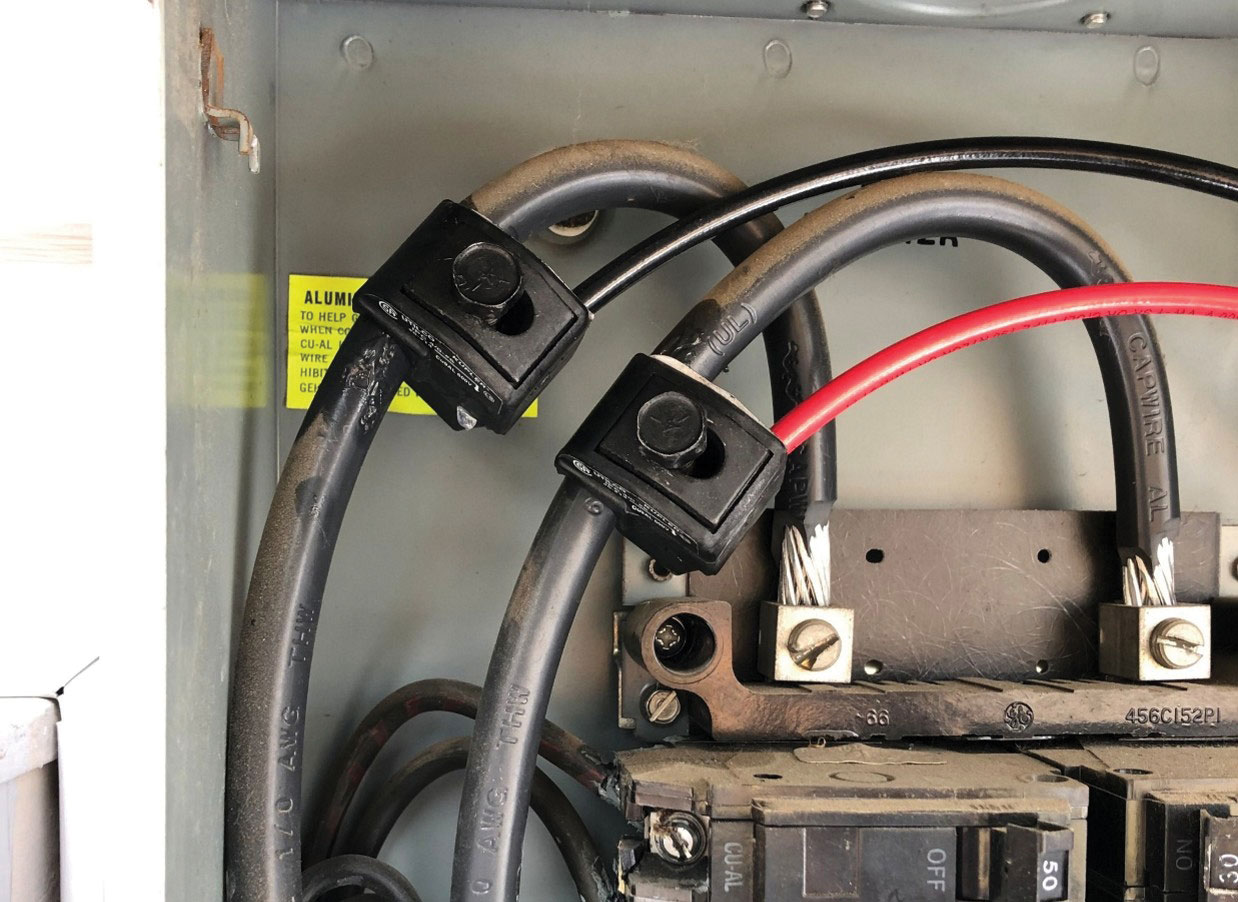
This article builds on Part I by examining the NEC rules for feeder taps, clarifying how conductors can be protected when OCPDs are not located at the supply point under Section 240.21(B).
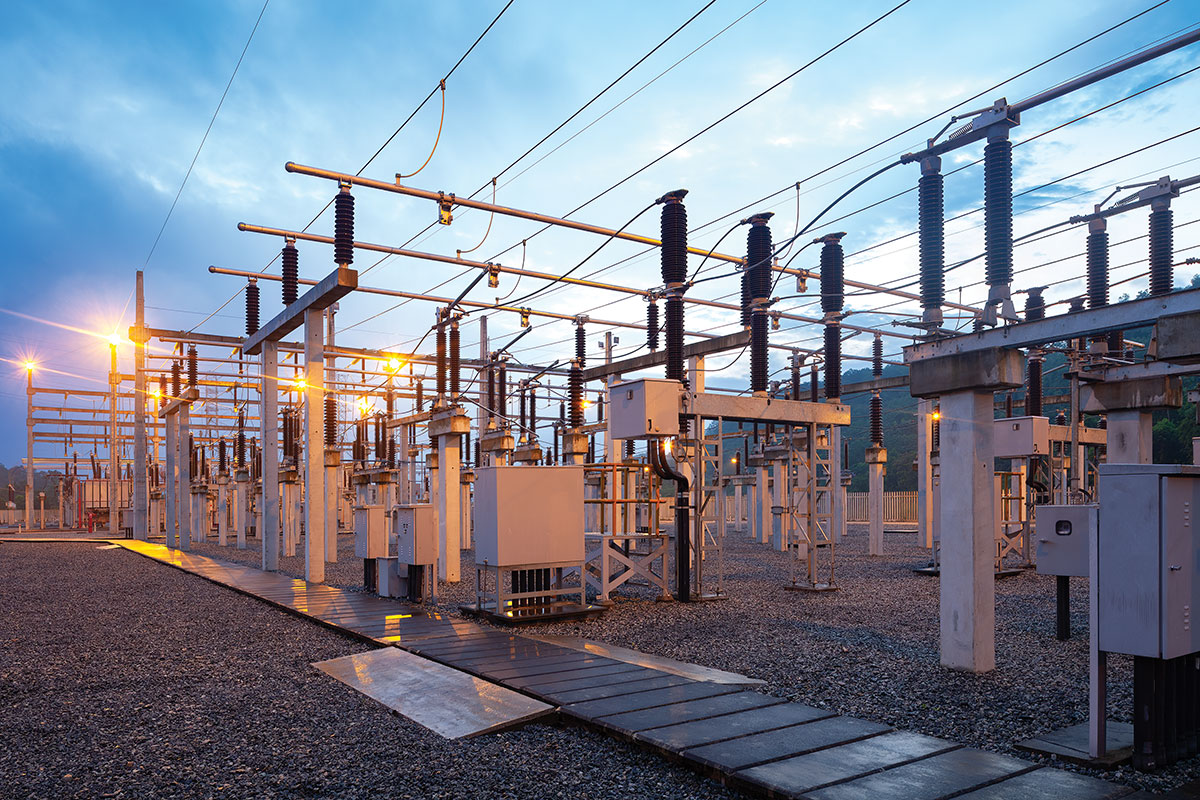
As the NEC evolves, medium-voltage requirements are undergoing major refinement and separation from low-voltage rules, improving clarity for users and setting the stage for the Code’s future restructuring.
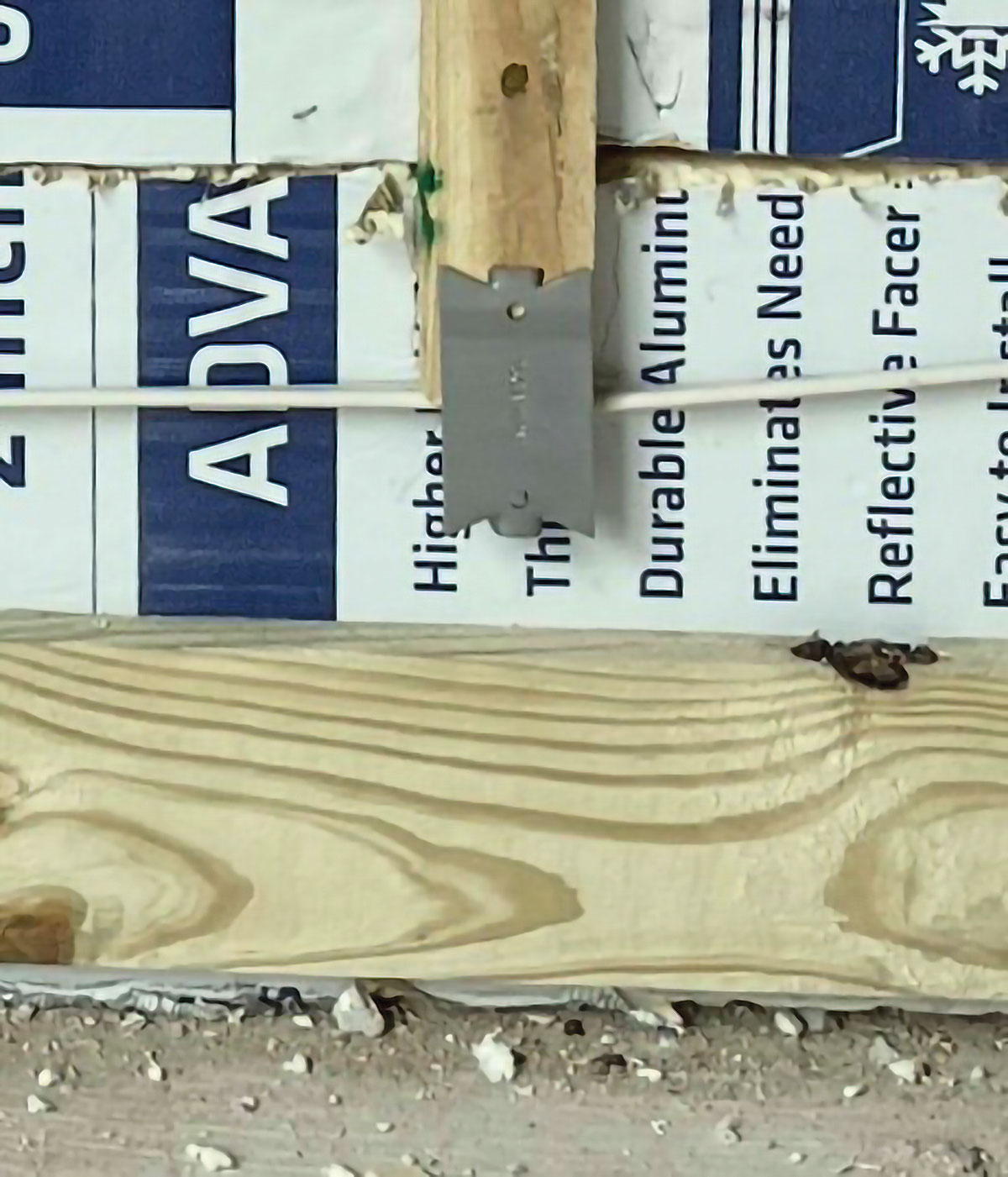
NEC 300.4, Protection Against Physical Damage: Why This Overlooked Rule Still Matters After 30 Years
This article explains the intent and importance of NEC 300.4, emphasizing how proper protection against fastener penetration remains critical to preventing conductor damage, shock hazards, and fire risks.
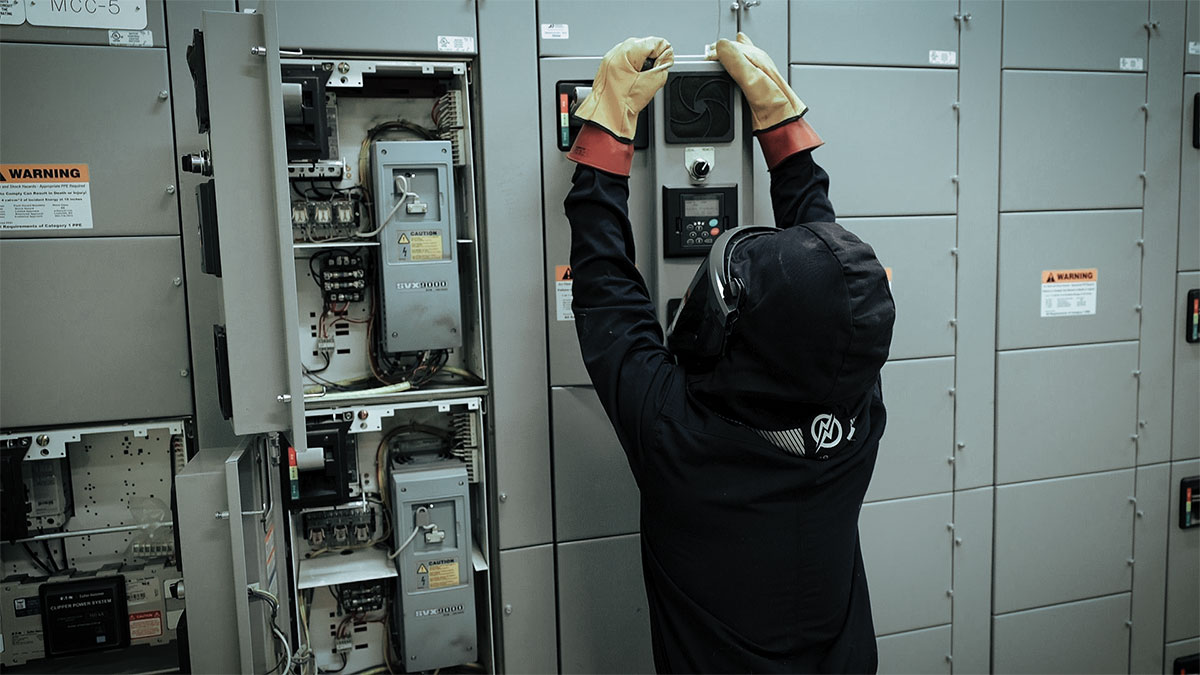
As electrical failures continue to cause fires and costly downtime, this article highlights why NFPA 70B has become a critical tool for ensuring safe, reliable, and proactively maintained electrical systems.