
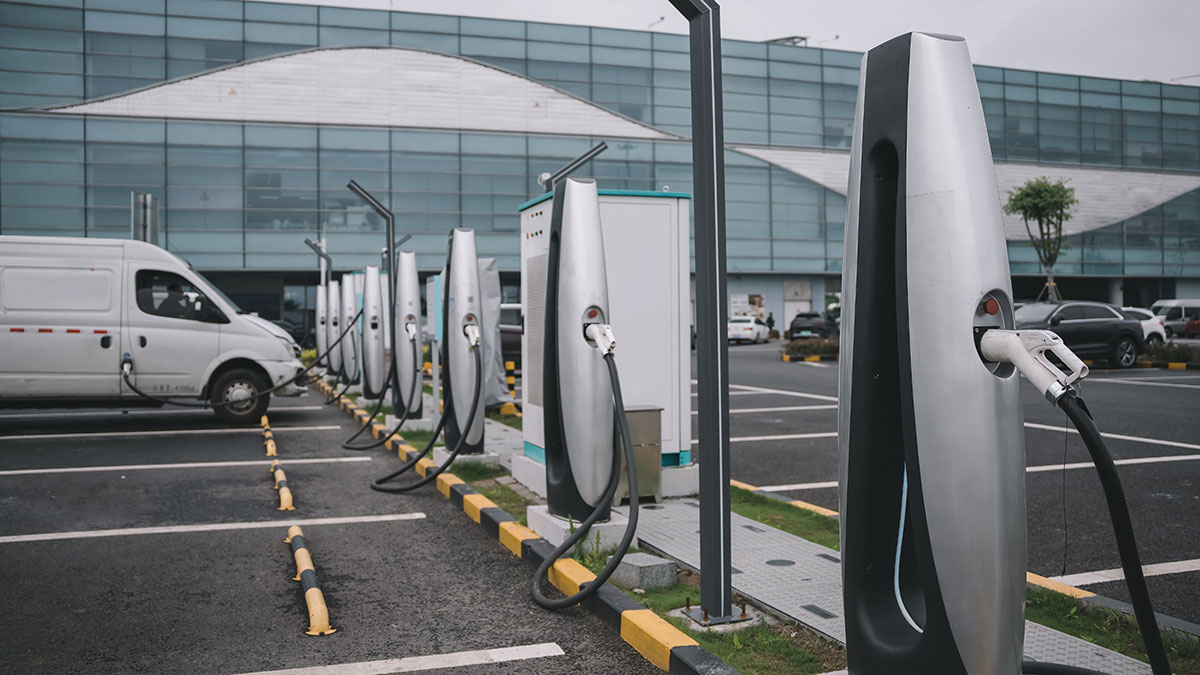

The push toward electrification in commercial and residential buildings is gaining momentum as property owners install electric vehicle (EV) chargers, swap out gas systems for electric heat pumps, and adopt smart technologies to improve performance and sustainability.
While this transformation supports decarbonization goals and modern living, it also creates heavier, more complex demands on electrical infrastructure that cannot be managed with outdated methods. For professionals in the field, accurate load calculations have become a nonnegotiable step. This approach safeguards against overheating circuits, reduces the risk of costly downtime, and ensures that buildings run at peak efficiency.
The Rising Demand from Electrification
The surge in EV chargers, high-efficiency heat pumps and Internet-of-Things (IoT)-driven building loads pushes electrical infrastructure to new limits, which creates challenges for peak demand and grid stability. With electricity demand projected to rise by 3.7% in 2025, electrical professionals must prepare for heavier, less predictable loads that can shift rapidly throughout the day.
Conventional calculation methods, once sufficient for simpler systems, often fall short in these electrified environments where diverse, high-demand equipment operates simultaneously. These factors make advanced tools and updated strategies essential for ensuring safety and long-term reliability.
Core Principles of Load Calculations
Balancing National Electrical Code (NEC) requirements with real-world performance is becoming more important as buildings transition to electrified systems. NEC Article 100 defines continuous loads as those expected to run for three hours or more, a distinction that affects how protective devices and circuit capacities are sized. This becomes more critical with equipment like electric vehicle supply equipment (EVSE), where NEC Article 625 requires dedicated branch circuits to be sized at least 125% of the maximum load.
These rules provide a solid foundation for safety, but electrical professionals know that field conditions often push systems harder than code minimums anticipate. Loads from EV chargers, heat pumps and induction ranges operate in sustained patterns that can place heavy stress on infrastructure if calculations do not fully capture their impact.
A useful way to illustrate this challenge is to compare a multifamily building equipped only with standard appliances to one outfitted with EVSE, induction cooking, and electric heat pumps. In the first scenario, applying demand factors in Article 220 may accurately reflect real-world usage since appliance loads tend to cycle and stagger naturally. However, in the second scenario, those same demand factors may underestimate actual peaks because high-demand electrified systems often overlap in operation.
Residents might charge vehicles overnight while running HVAC systems and preparing meals, which creates a simultaneous draw that exceeds assumptions built into standard calculations. Electrical professionals must go beyond formulaic approaches, using NEC guidance and real-world data to design systems that remain safe, compliant, and reliable under modern electrification pressures.
Safety Considerations
As electrified buildings incorporate more high-demand equipment, electrical professionals face growing challenges in keeping systems safe and reliable. One challenge is rethinking overcurrent protection strategies to handle heavier, longer-duration loads. Another critical concern is the voltage drop in long feeder and branch circuits. Expanded electrification places added strain on conductors and connections that were once considered sufficient.
When circuits overheat, breakers trip or voltage swings occur, the risks extend beyond inconvenience. These issues can trigger arc faults or cause unexpected shutdowns that disrupt operations and compromise safety. At the same time, larger and more dynamic electrical systems heighten the potential for arc flash incidents and dangerous fault currents, underscoring the need for carefully coordinated protection and forward-looking system design.
Compliance and Evolving Standards
The 2023 NEC introduced updates that affect how electrical professionals approach load calculations during building electrification. Article 220 refined calculation methods to better address diverse and overlapping loads, and Article 625 reinforced circuit size requirements for EV supply equipment to ensure safe, continuous operation.
These changes reflect a recognition that traditional approaches cannot always keep pace with the rapid adoption of EV chargers, heat pumps, and induction systems. At the same time, state and local jurisdictions layer on their own policies. This includes requiring EV-ready parking spaces in multifamily construction or incentivizing all-electric building design, both of which further influence system design choices.
Industry experts warn that raw material shortages could slow the growth of the EV market, which can create uncertainty that policymakers must balance when shaping codes and standards. Staying aligned with NEC updates while tracking guidance from governing bodies maintains compliance, ensures safety and builds systems resilient enough to handle present demands and future shifts in electrification.
Integrating Advanced Tools and Software
Digital innovation reshapes how electrical professionals manage load calculation. It leverages advanced software and real-time simulation to deliver accuracy that traditional methods can’t match. AI and predictive analytics add another level of intelligence by forecasting diversified loads, allowing teams to anticipate demand shifts and address potential overloads before they disrupt operations.
When paired with the IoT, these technologies strengthen grid stability and uncover unauthorized electricity usage. They use predictive analytics and advanced metering infrastructure to give professionals efficiency and security advantages. Digital twins and smart meters enhance accuracy by providing a dynamic view of system performance, enabling precise adjustments and continuous optimization as building demands change.
Practical Strategies for Electrical Professionals
Electrical professionals navigating the challenges of building electrification need strategies beyond code compliance to ensure systems remain safe and resilient. Proactive planning, collaboration and advanced tools help teams manage growing loads without compromising reliability. The following strategies can help professionals approach electrified projects confidently:
- Conduct proactive load audits: This allows teams to assess capacity and identify weak points before integrating new equipment.
- Run scenario-based planning: By modeling different operating conditions, professionals can prepare for variable occupancy, peak usage patterns and demand spikes from high-load devices.
- Leverage advanced digital tools: Using simulation software and predictive analytics provides more accurate calculations and ongoing adaptability.
- Coordinate closely with utilities: Working directly with utility providers helps anticipate peak demand impacts and ensures alignment with grid resilience strategies.
- Update protective device coordination: Adjusting protective devices for new high-demand loads reduces the risk of arc faults or tripping breakers.
- Stay current with standards: Monitoring updates from NEC, NFPA and IEEE ensures systems remain compliant and safe as electrification initiatives accelerate.
Embracing the Future of Load Management
Electrification introduces new challenges in load management and creates opportunities for smarter, more resilient system design. By embracing advanced tools, aligning with evolving codes and applying proactive strategies, professionals can stay ahead of growing demands. Those who adapt will safeguard safety and efficiency and position themselves as leaders in the transition to electrified buildings.
