
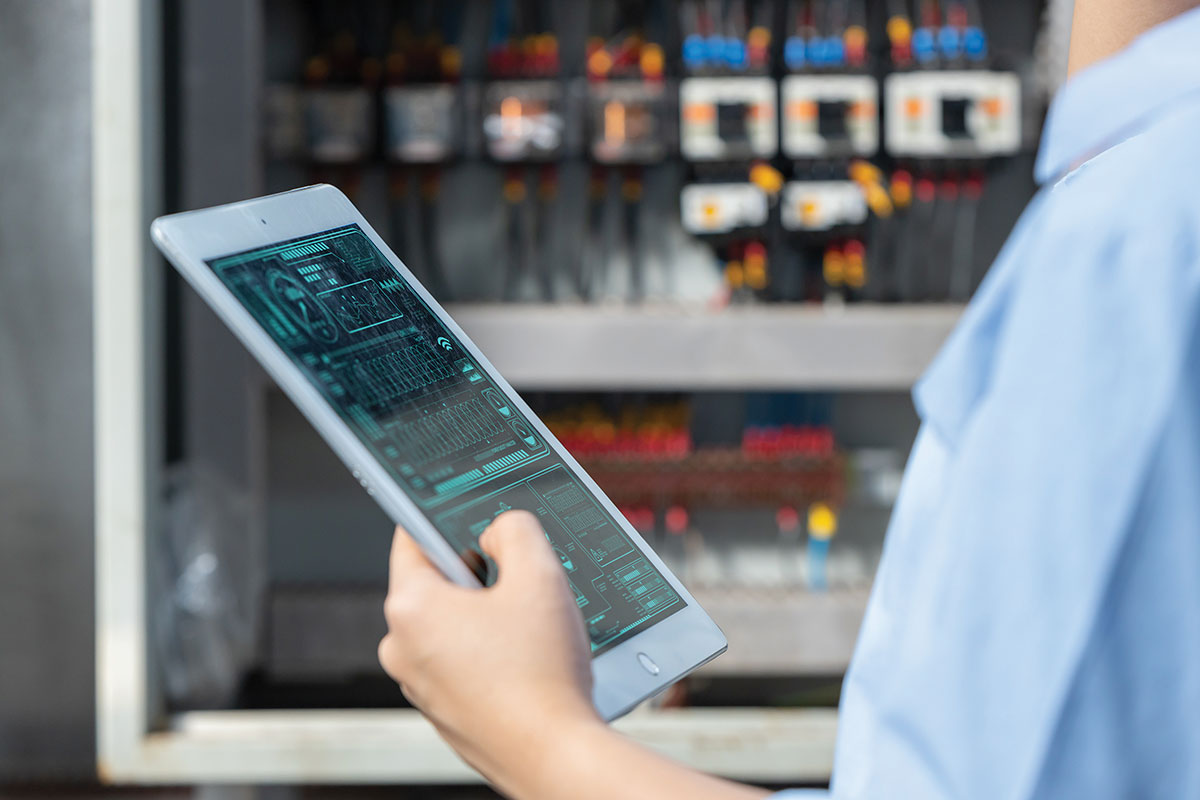

Electrical inspectors are being transformed by technology—leveraging advanced diagnostics, drones, VR/AR, and AI to work smarter while simultaneously learning to evaluate the smart grids, IoT systems, and AI-driven infrastructure they now inspect.
by Zaneer Iqbal, Director, West Coast Operations, US Electrical at Intertek
The role of electrical inspectors is continuously evolving as new technologies not only enhance how inspections are performed, but they’re also changing what is being inspected. As smart grids, IoT-connected systems, and AI-driven infrastructure are increasingly commonplace, inspectors must navigate a dynamic environment that necessitates technical fluency, adaptability, and continuous learning.
The dual shift of using technology and inspecting it presents both exciting opportunities and critical challenges for the electrical inspection community.
Using Technology to Improve Inspections
The first major transformation is how inspectors themselves are leveraging emerging technologies to streamline and strengthen their work.
Advanced Diagnostic Tools
Modern diagnostic tools have gone far beyond multimeters and infrared cameras. Today’s inspectors have access to sophisticated instruments that can measure harmonics, power quality, arc fault currents, and other nuanced electrical phenomena. These tools not only save time but also provide deeper insight into potential issues before they escalate into safety hazards.
Drones and Robotics
For hard-to-reach areas like utility towers, substations, or confined spaces, drones and robotic systems are proving invaluable. Equipped with high-resolution cameras, thermal imaging, and even LiDAR, these technologies reduce risk to personnel while allowing for comprehensive visual inspections. In some cases, inspectors can assess structural integrity or electrical components without ever leaving the ground.
Virtual and Augmented Reality (VR/AR)
VR and AR are beginning to play a role in both training and live inspections. Virtual reality allows inspectors to simulate complex inspection environments for learning purposes, while AR-enabled devices, like smart glasses, can overlay schematics, code references, or diagnostic data onto the real-world environment, improving both speed and accuracy.
AI and Machine Learning
Artificial intelligence is slowly entering the electrical inspection space through automated defect recognition, pattern analysis, and predictive maintenance tools. These technologies can flag anomalies across vast datasets and suggest inspection points based on historical trends.
Inspecting New Technology: The Other Side of the Coin
While inspectors are adopting cutting-edge tools, they’re also facing a new generation of electrical systems that challenge traditional inspection methods.
The Rise of Smart Grids and IoT
Modern electrical infrastructure is increasingly integrated with digital communication systems. Smart panels, IoT-enabled breakers, and cloud-based energy management systems are becoming commonplace. Inspectors must now understand how data flows through these systems, how devices communicate, and how cybersecurity impacts physical safety.
This digital complexity can lead to data overload and the sheer volume of performance metrics, diagnostics, and alerts can be overwhelming. Moreover, cybersecurity has emerged as a critical concern. How do you inspect something you can’t see, like a vulnerability in a communication protocol? The traditional boundaries of the electrical inspection role are expanding into the realm of IT and information security.
The Challenge of Rapid Obsolescence
Another challenge: technology is evolving faster than codes can be updated. Inspectors frequently encounter new devices or systems that fall into gray areas within the NEC or local regulations. What was compliant five years ago may now be obsolete, or incompatible with today’s grid demands. Inspectors must be nimble, not only in applying the letter of the code, but in interpreting its intent amid rapidly changing systems.
Skills Development and Technical Proficiency
Keeping pace requires a commitment to continuous learning. Today’s inspectors must blend electrical expertise with digital literacy. Understanding protocols, firmware updates, data analytics, and cybersecurity is quickly becoming part of the job.
Training programs, certifications, and partnerships with manufacturers can help bridge the knowledge gap. But there’s also a cultural shift required: embracing lifelong learning and staying open to unfamiliar systems, even if they don’t resemble the switchgear or panels of the past.
Are the Standards Keeping Up?
Finally, there’s a looming question for the industry: Are our codes and standards adapting fast enough to accommodate these new technologies? While efforts are being made, the lag between innovation and regulation can put inspectors in difficult positions. Collaborating with code-making bodies, contributing field experience, and advocating for updates are all ways inspectors can help shape the future of compliance.
A Broader Role, A Bigger Opportunity
Electrical inspectors today stand at a crossroads of tradition and innovation. They are no longer just code enforcers; they are safety advocates, technology interpreters, and critical partners in building tomorrow’s electrical infrastructure.
By embracing emerging tools and staying ahead of the curve on new technologies, inspectors can elevate their role, improve safety outcomes, and drive progress across the entire electrical industry. The future of inspections isn’t just about keeping up; it’s about leading the way.