

Department of Energy guidance explains EV charging station types, Level 1–DC fast equipment, connector terminology, and practical planning for procurement, installation, permitting, maintenance, and codes.
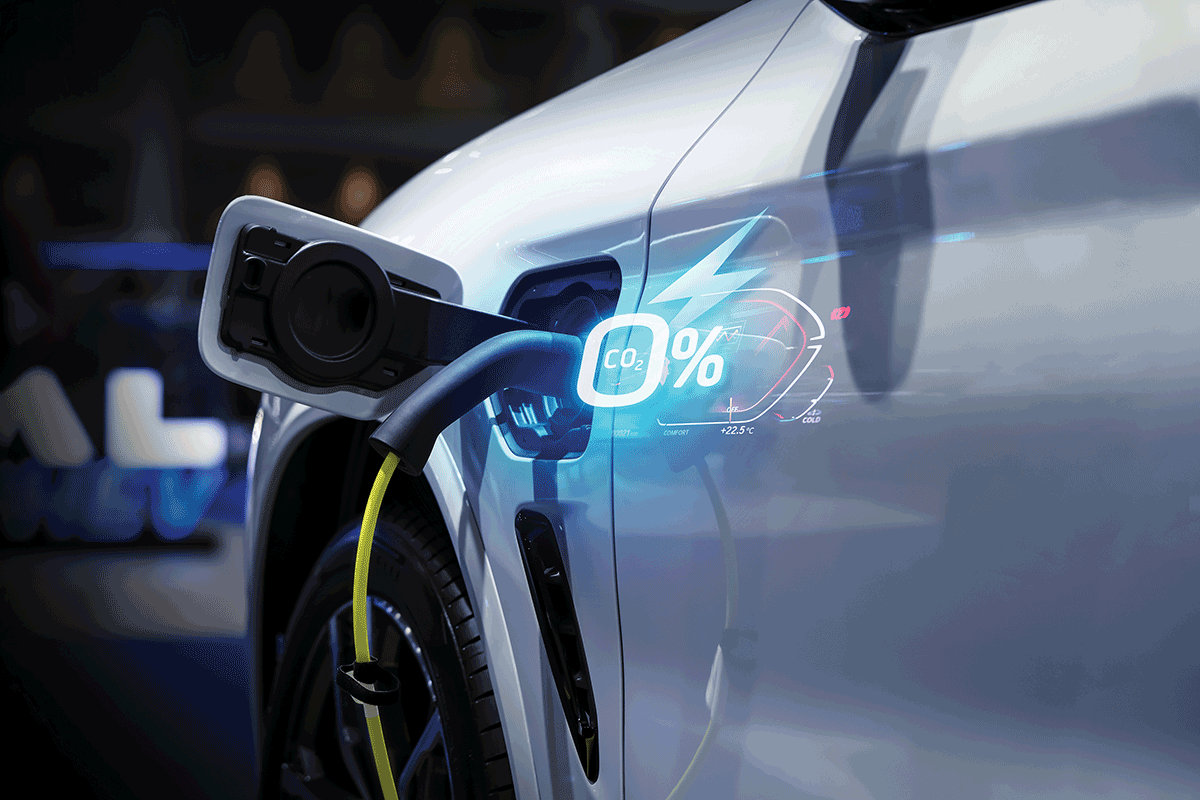
Explore how governments can sequence policies across market stages and vehicle types to accelerate equitable, reliable electric vehicle charging infrastructure deployment.
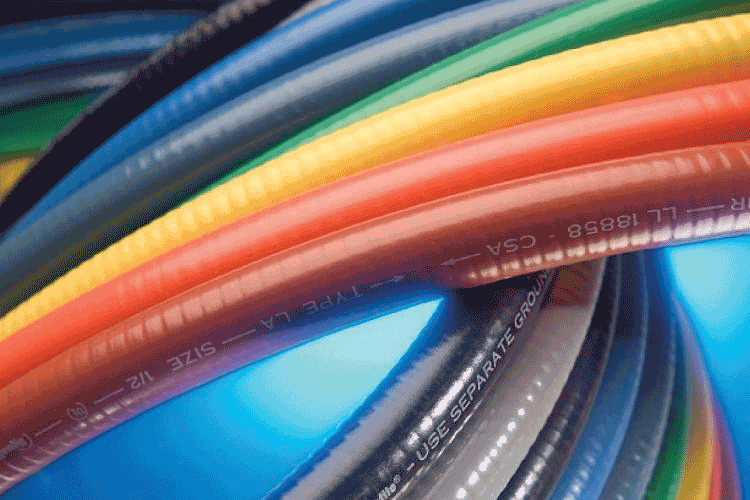
Explores the benefits and applications of liquidtight flexible metal conduit (LFMC), highlighting NEC Article 350 requirements, compliance standards, and its advantages in wet, corrosive, and demanding environments.

Modern data centers now operate more like high-density industrial power systems than traditional IT rooms, pushing the limits of conductor ampacity, grounding, overcurrent protection, and medium-voltage distribution.
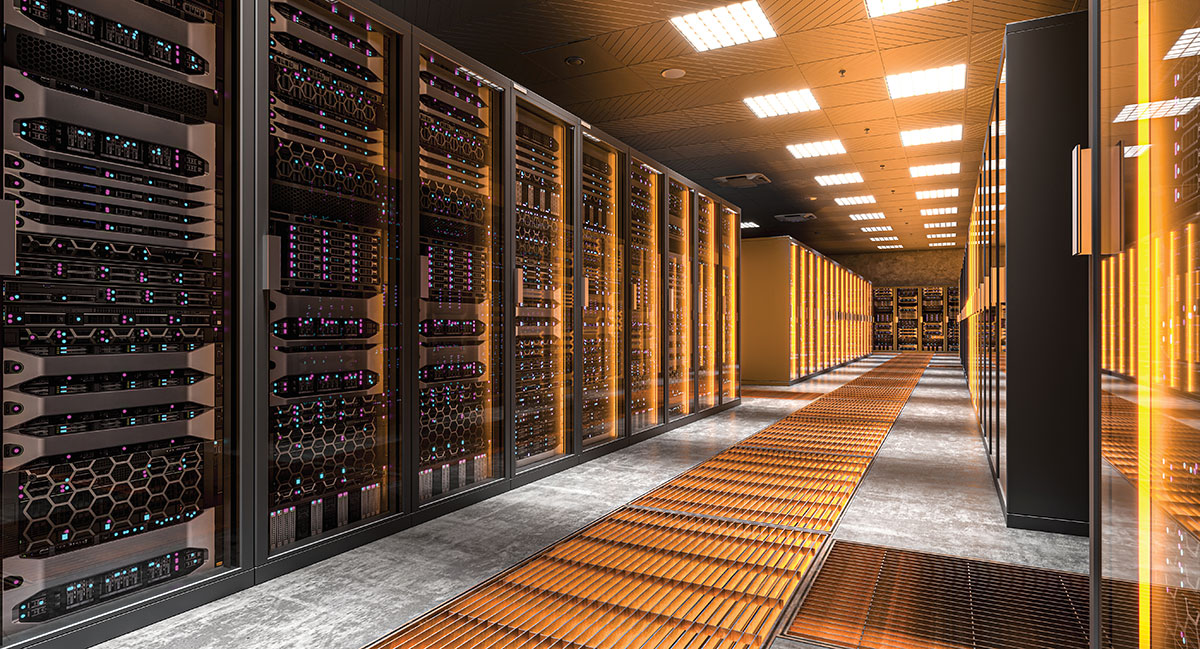
U.S. data center electricity consumption has tripled from 58 TWh in 2014 to 176 TWh in 2023, with projections suggesting it could reach 325-580 TWh by 2028—potentially consuming up to 12% of total U.S. electricity generation.
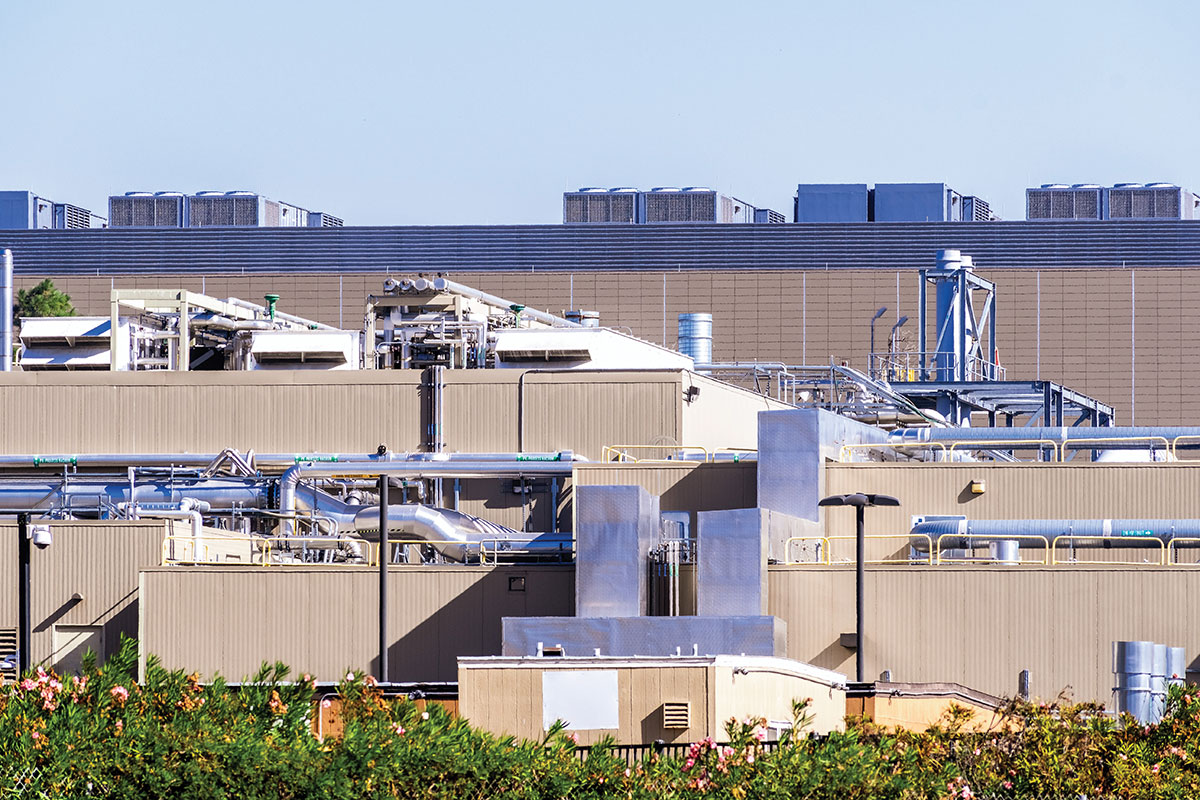
The race toward faster, greener data centers is bringing a surge of uncertified and custom equipment — leaving inspectors and AHJs to determine compliance in a rapidly changing landscape.
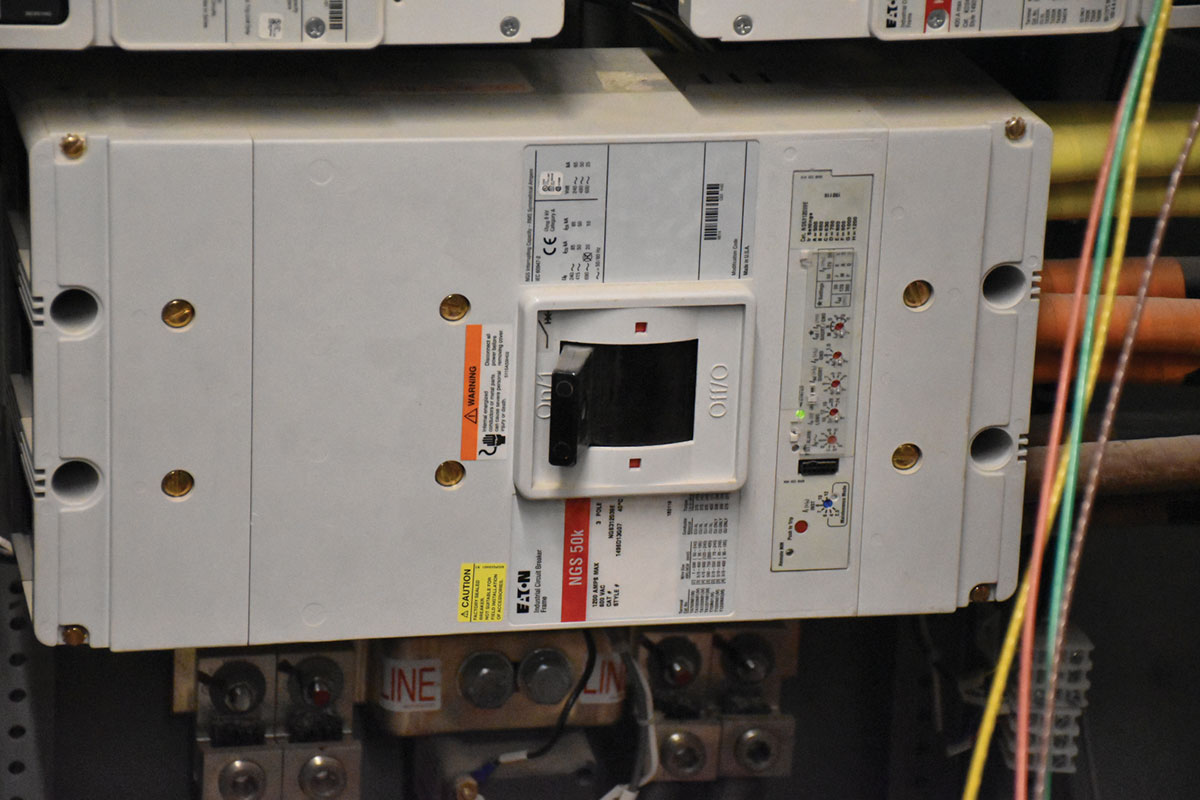
By separating conductor ampacity from equipment limitations, this article provides a structured approach to selecting conductors and OCPDs that meet both electrical performance and NEC requirements.
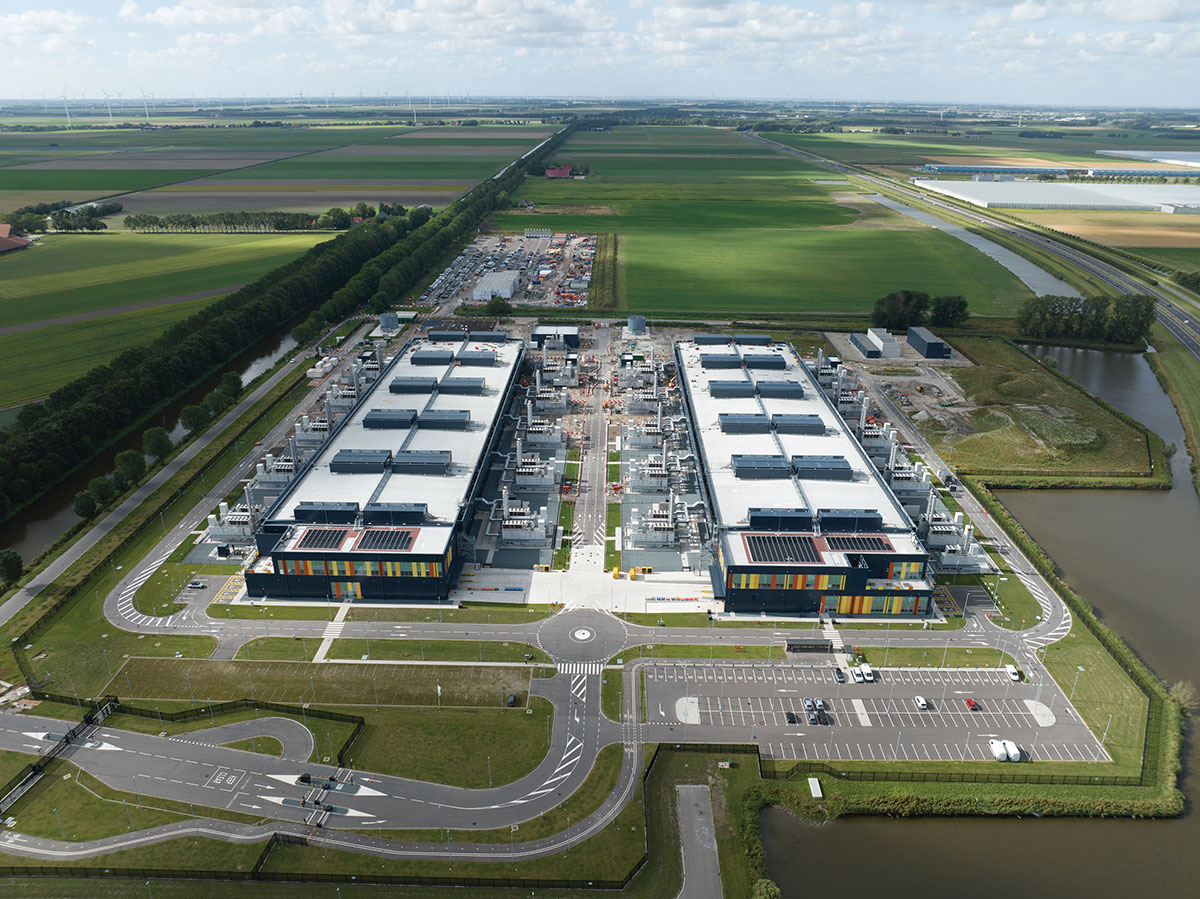
As data centers multiply to power the AI revolution, electrical inspectors find themselves on the front lines of ensuring these massive digital engines run safely and reliably.
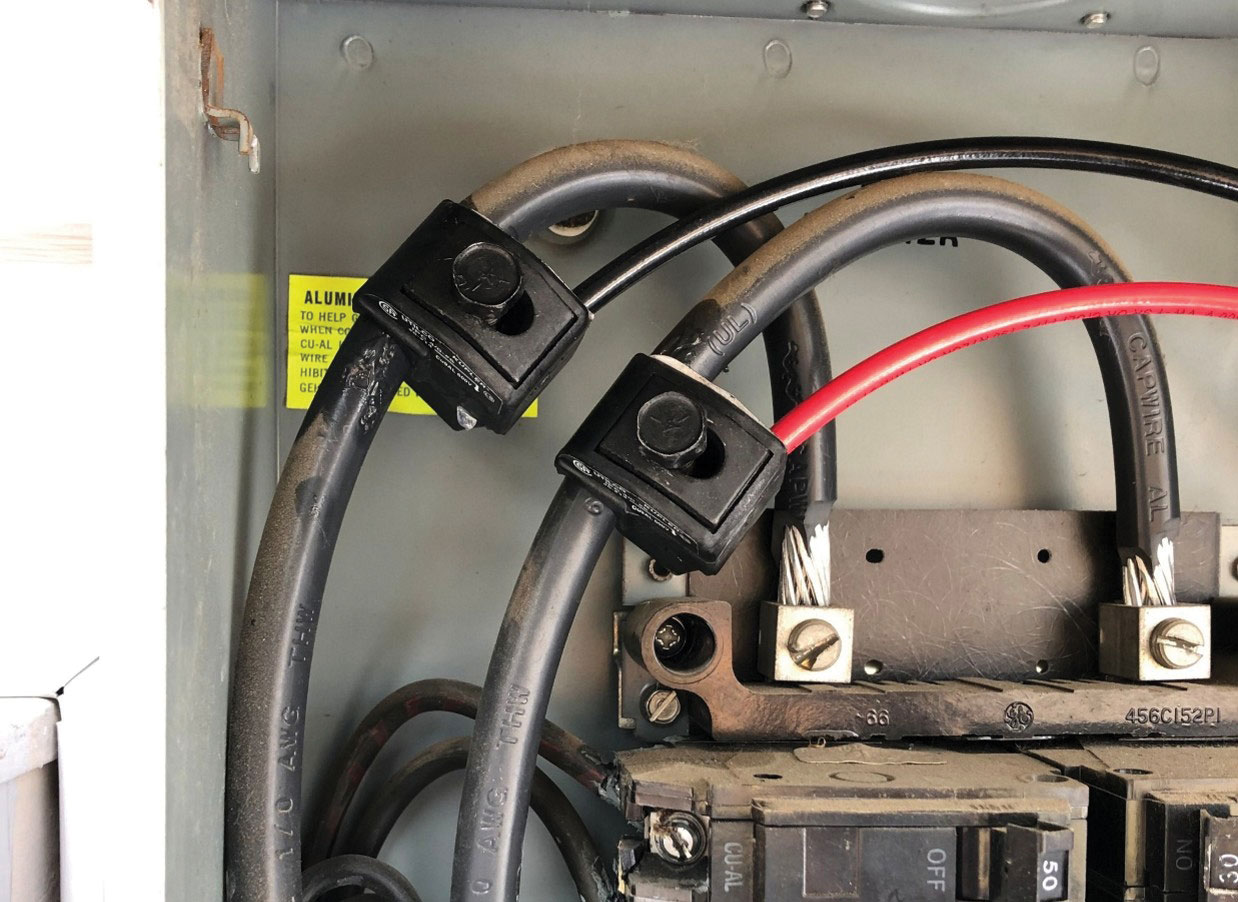
This article builds on Part I by examining the NEC rules for feeder taps, clarifying how conductors can be protected when OCPDs are not located at the supply point under Section 240.21(B).
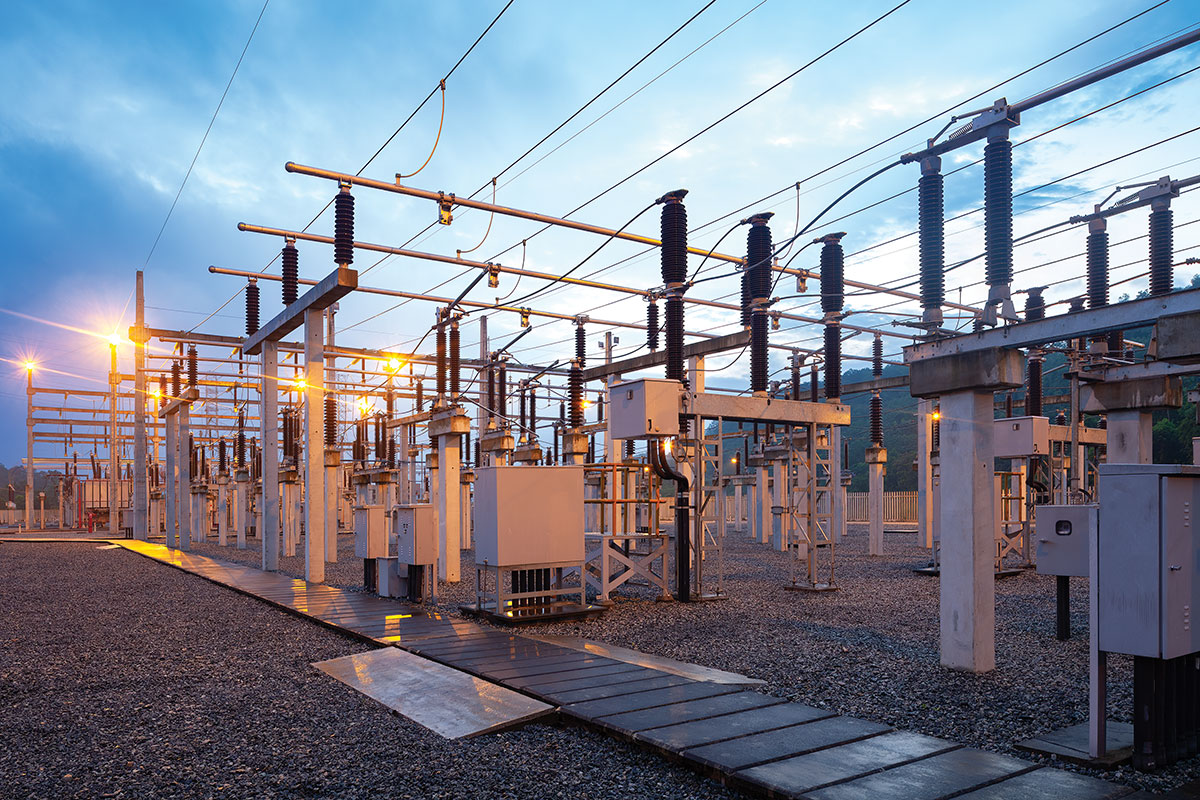
As the NEC evolves, medium-voltage requirements are undergoing major refinement and separation from low-voltage rules, improving clarity for users and setting the stage for the Code’s future restructuring.