


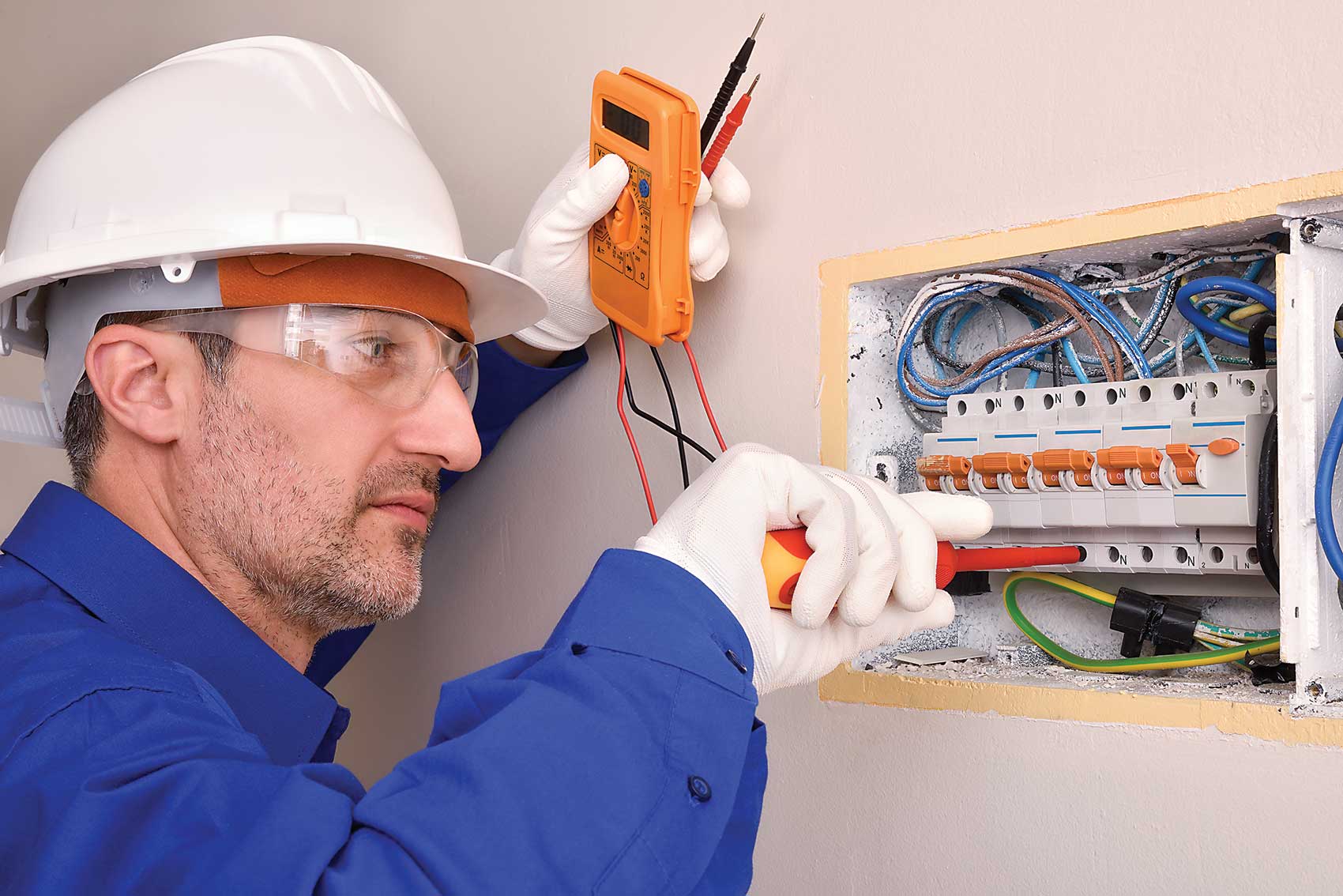
As we honor National Electrical Safety Month this May, it’s a reminder that the same level of commitment to safety from electrical hazards is important every day. After all, lives are depending on our commitment to safety at work and home.

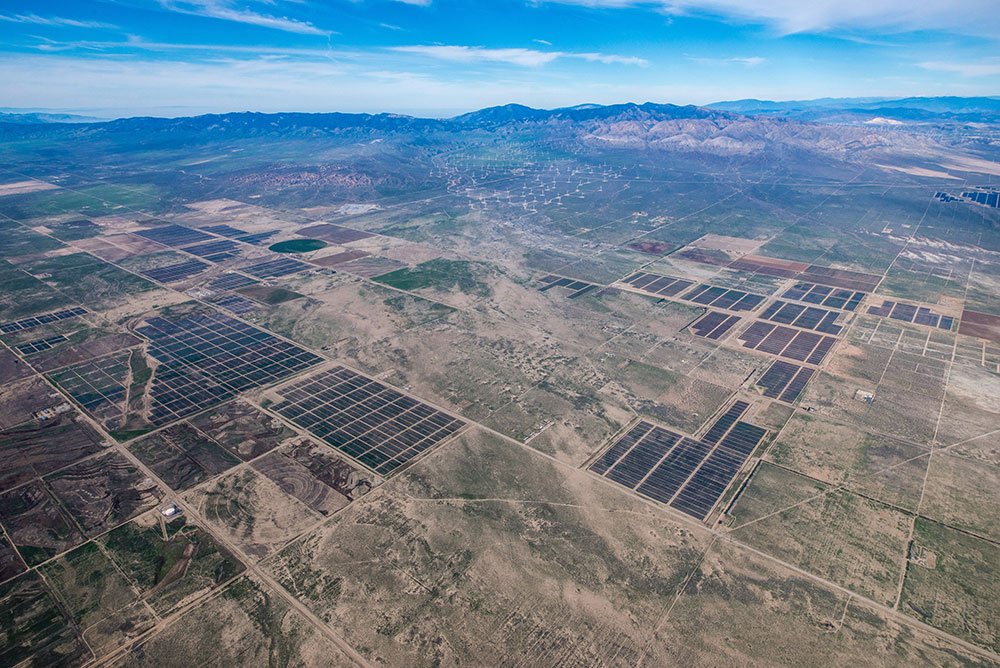
Numerous Code requirements apply to the PV array and other equipment located in the vicinity of the array. These include conductors, DC combiners, arc-fault protection equipment, and rapid shut down equipment. This article addresses some of these requirements as they are found in the 2020 National Electrical Code (NEC).

Based on real-world test data and investigation results from on-the-job safety-related incidents, we have found low-voltage arc flash energy can be underestimated. “Low voltage” in the NESC is defined as 50 volts (V) to 600V (ac). Specifically, one area of concern is 480V equipment, because 480V, three-phase related arc flash incidents can have severe consequences.

Although Rule 4-006 was introduced into the Canadian Electrical Code, Part I (CE Code) a few editions ago, (when ampacity tables in the NEC and the CE Code have been harmonized), application of this Rule does not appear to be consistently clear to many Code users.
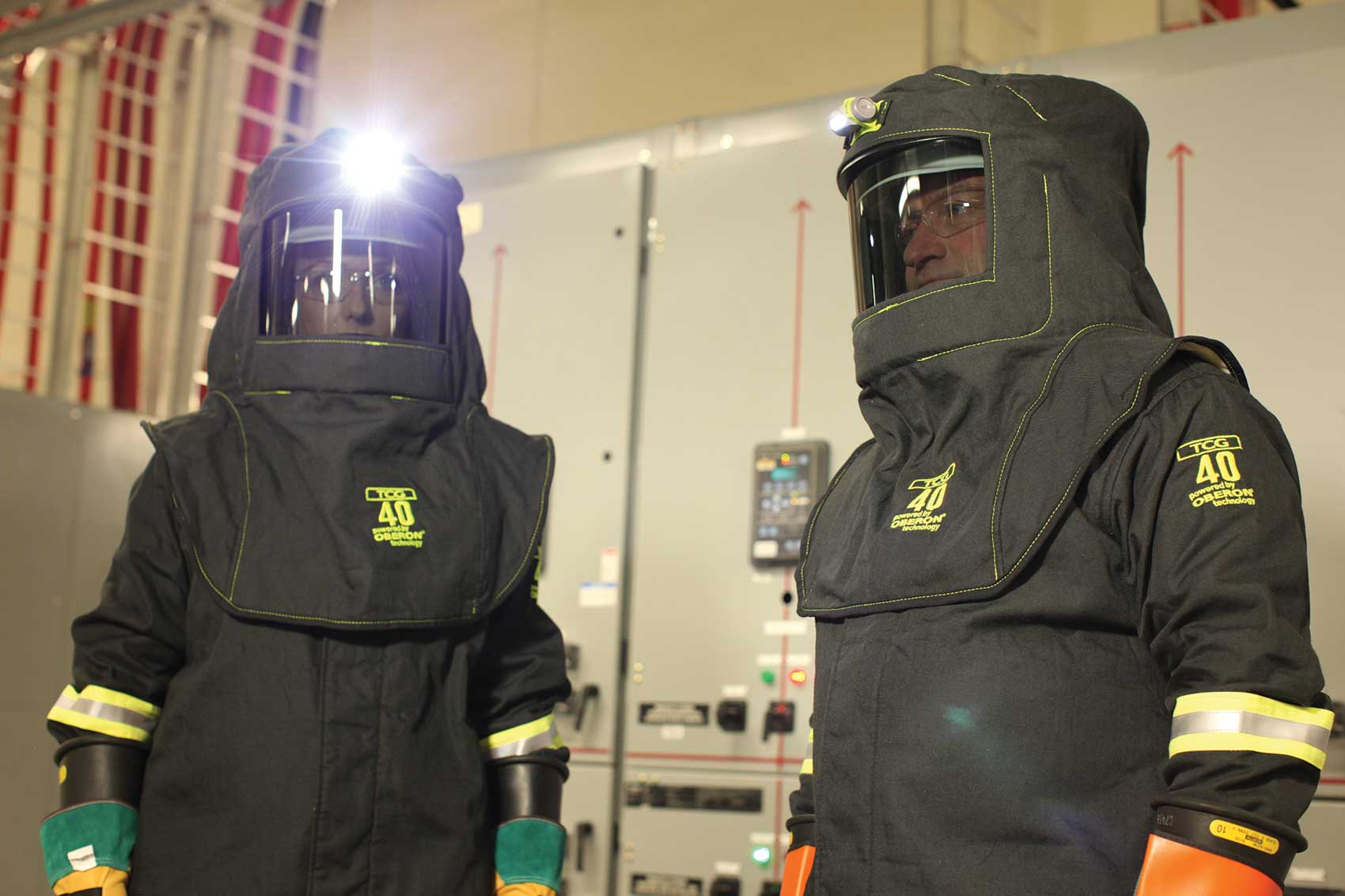
The CSA Z462 Workplace Electrical Safety Standard has been published for over 10 years now in Canada. It is widely adopted voluntarily by all industry sectors across Canada.

Reputable manufacturers go to great effort to acquire certification to demonstrate the safety of their products. However, less reputable manufacturers may forego testing and certification, using counterfeit marks to give the illusion that their products are on par with competitive products, when in fact, they could be dangerous and of unknown quality.