
The 2020 edition of the National Electric Code (NEC) includes special provisions for reconditioned or refurbished electrical equipment, defined as “electromechanical systems, equipment, apparatus, or components” that have been reworked and restored to operating conditions.
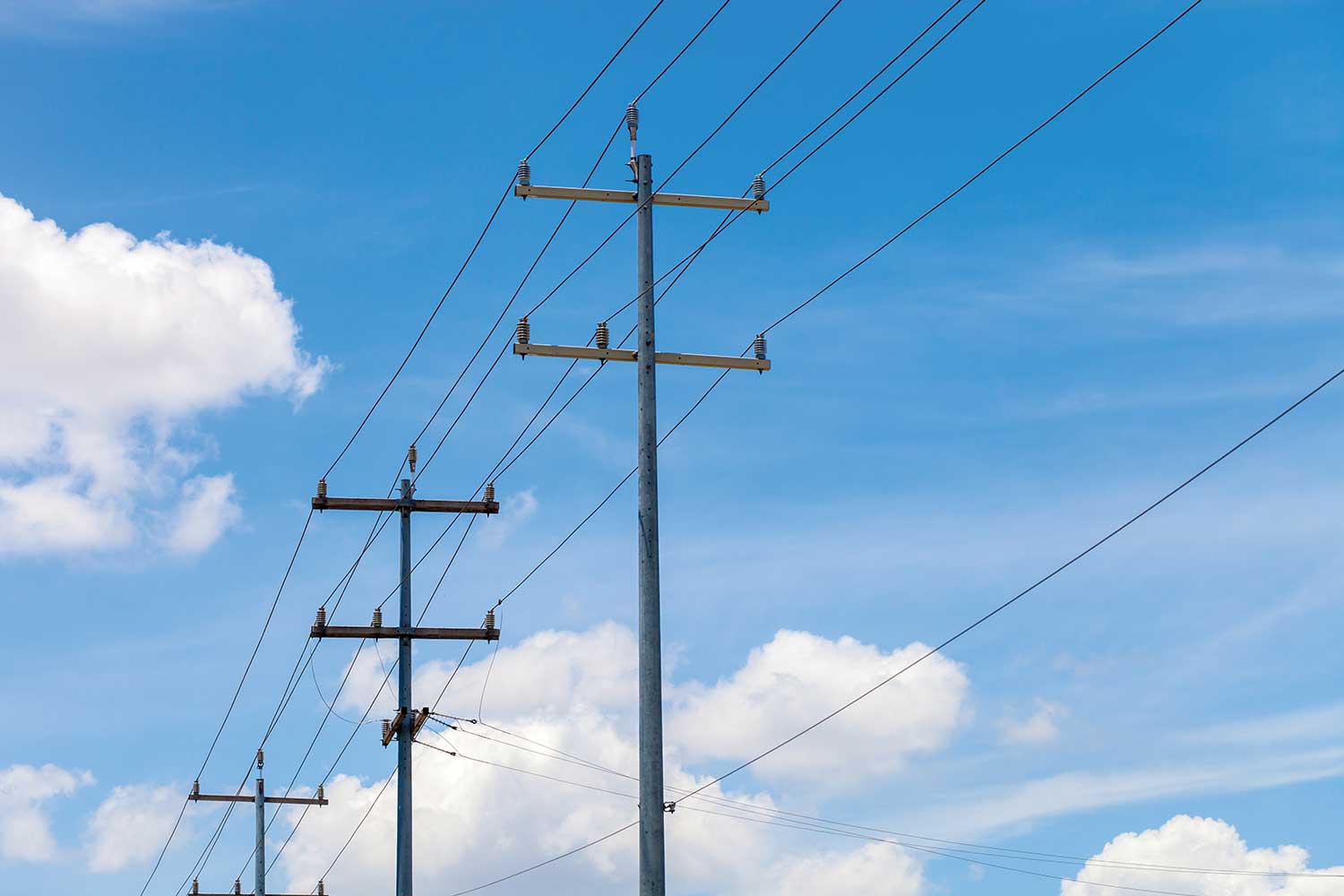
We have continued to see a big problem with stolen ground wires on many utility poles over the years. A utility poles’s grounding conductors [ground wires or “grounds”] contain copper --a highly conductive metal--, but also a highly valued metal in the marketplace.

It is the mission and responsibility of the NESC to address disruptive technologies with guidance, work rules, and best practices to protect your safety, ensure the public’s safety, and help establish the reliability and resiliency of the power grids that drive our lifestyles and economy.
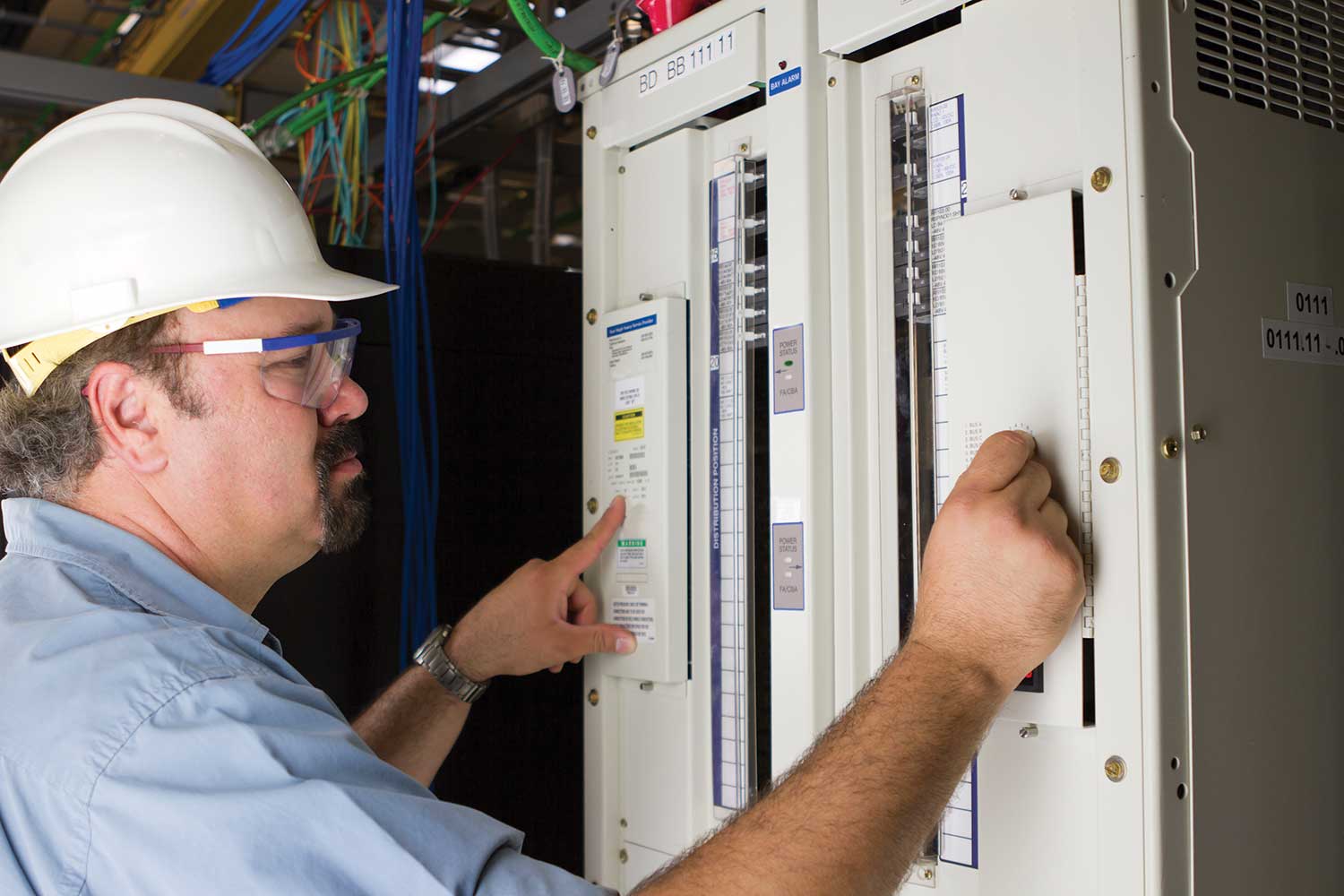
Underwriters Laboratories is proud to announce the development of a new guidance document, UL RP 9691, Recommended Practice for Nameplates for Use in Electrical Installations.
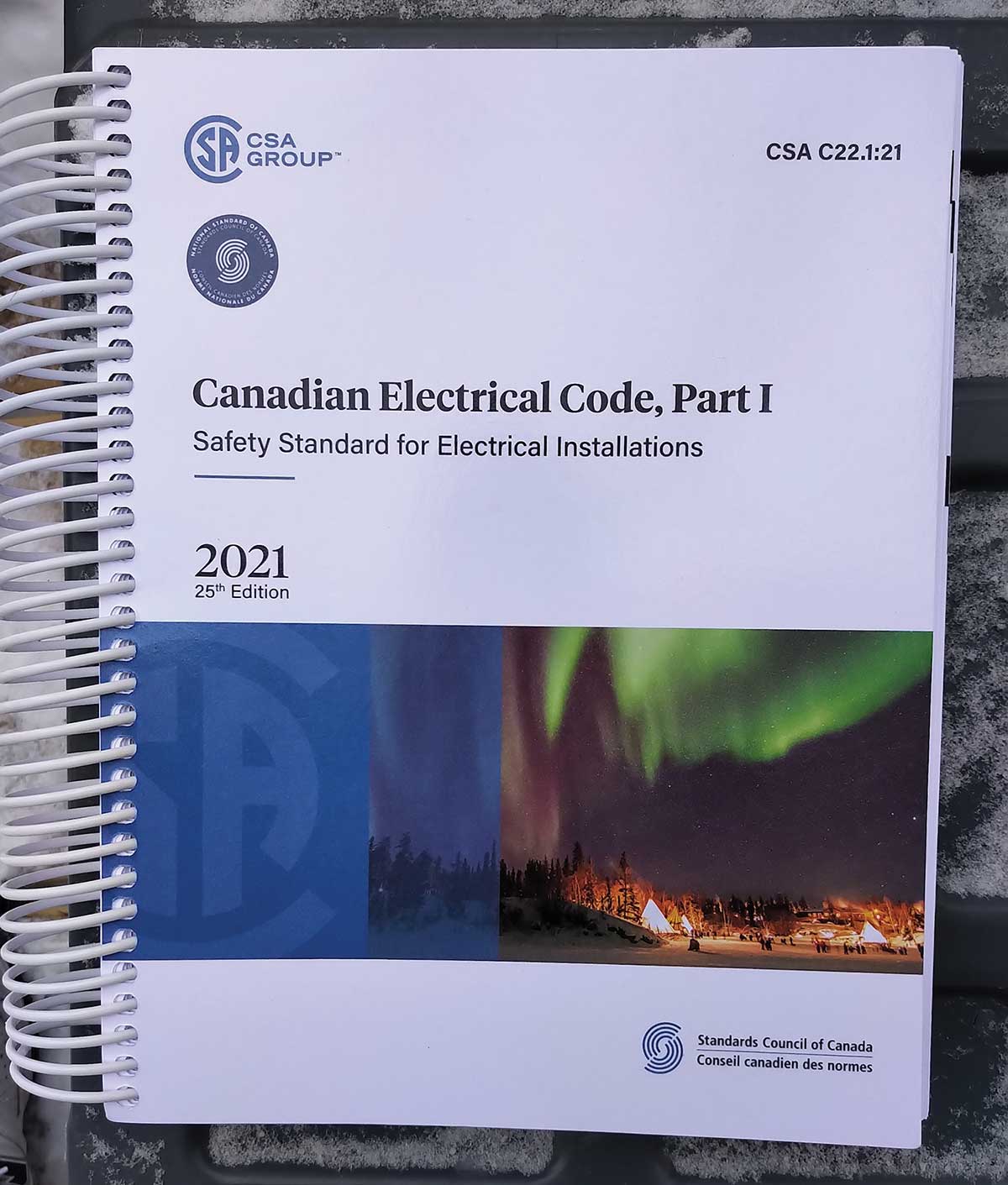
This is the first of a series of articles detailing significant changes for the 2021 Canadian Electrical Code Part I (CE Code).
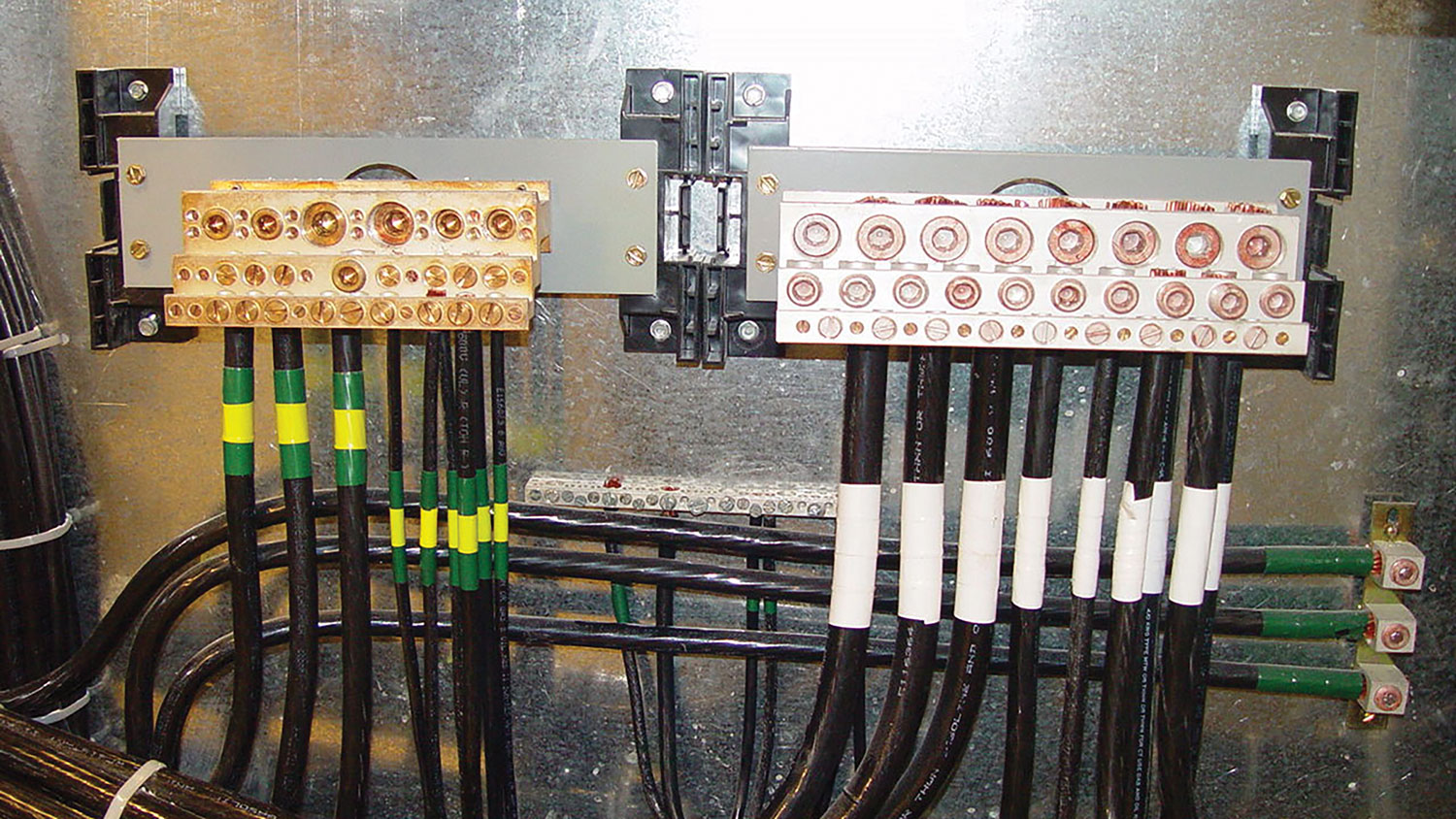
Selecting the wrong size conductor in an electrical installation can have dangerous and disastrous results with conductors too small for the applied load.

An electrical plans examiner’s duties include reviewing specifications, drawings, and engineered plans to verify compliance with local, state, and national standards.
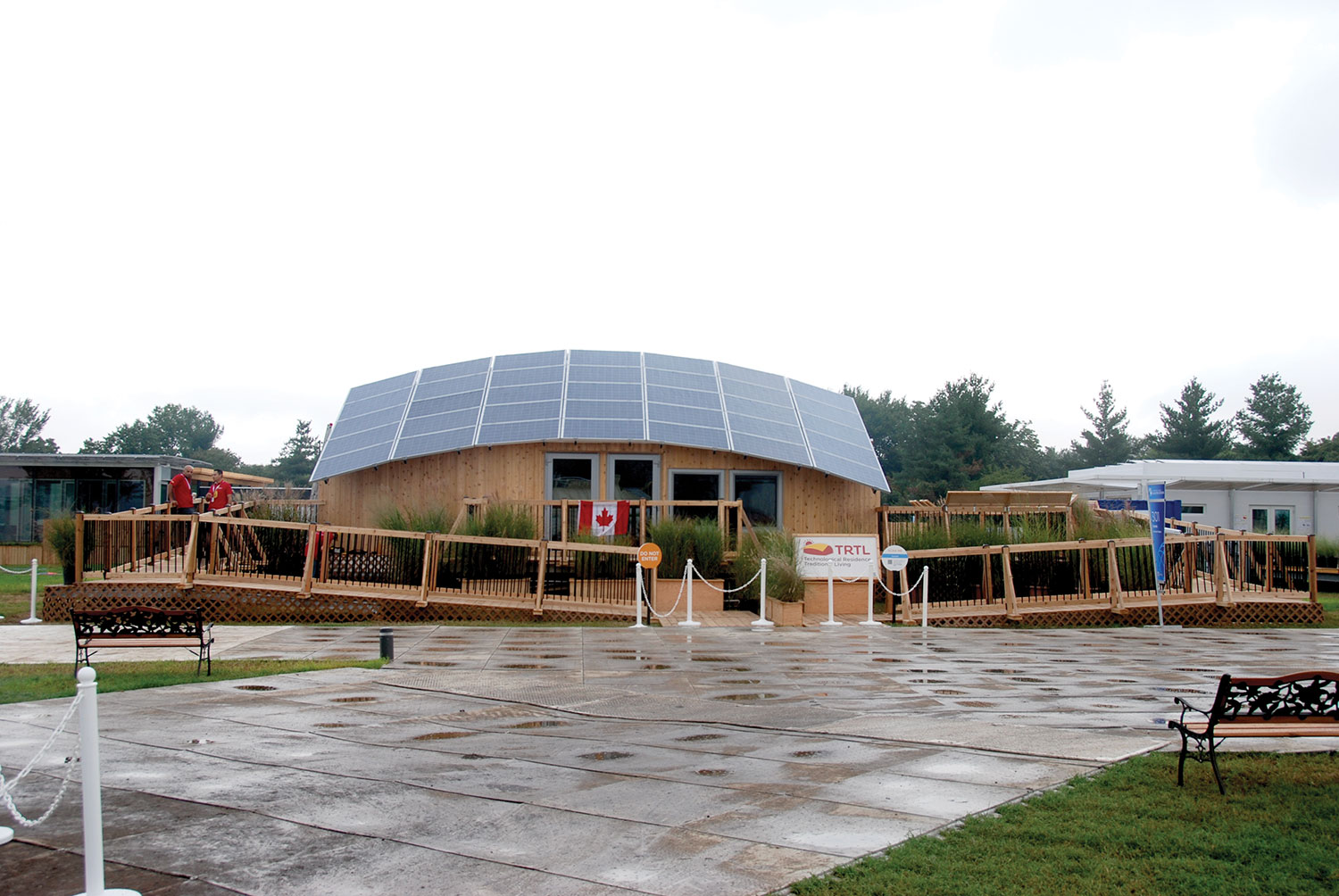
Supply-side connected PV systems require renewed attention due to the more detailed requirements added to the 2020 NEC.
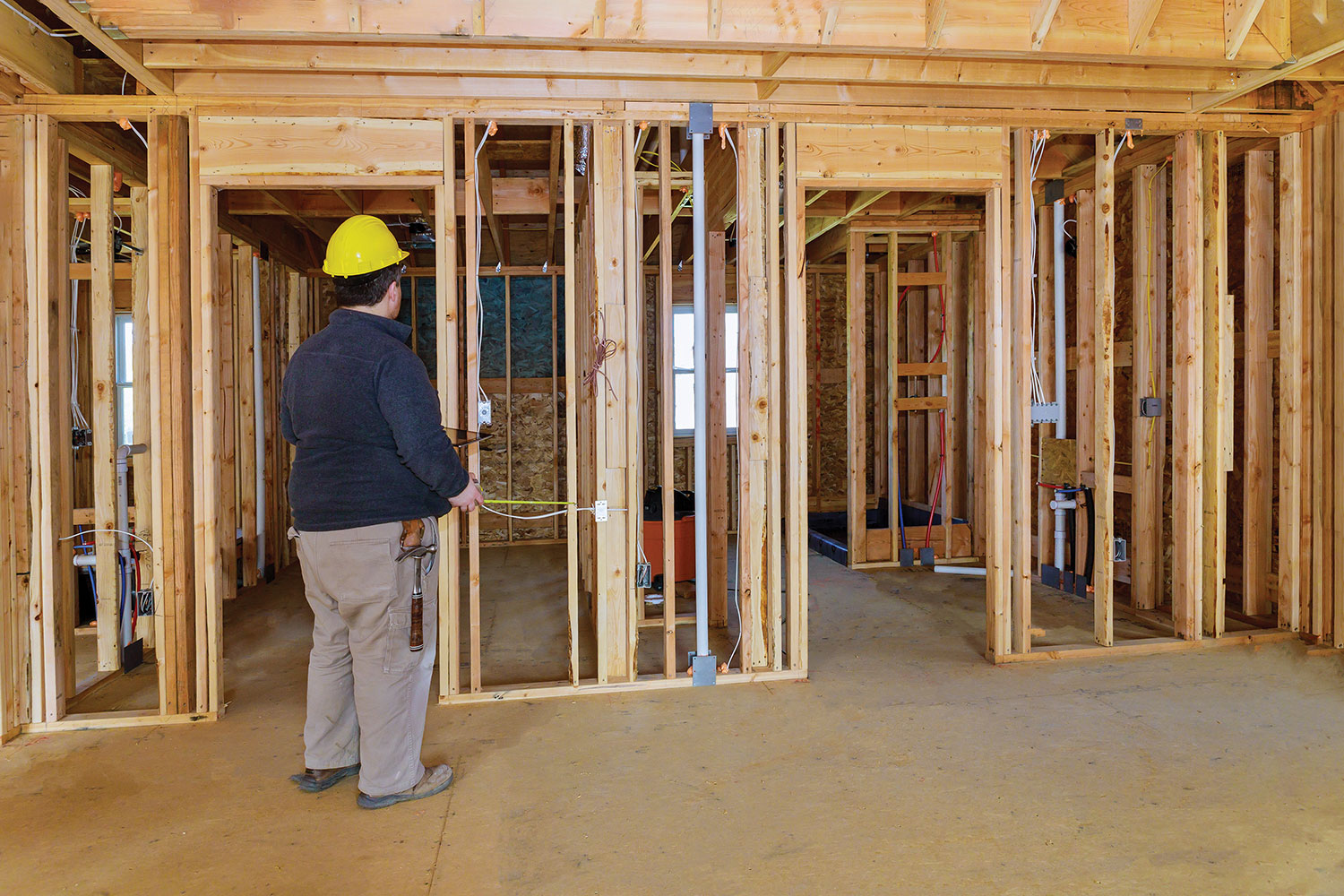
Chances are you will have to perform some sort of calculation in order to apply the requirements of the NEC and provide that installation that safeguards people and property from the hazards that arise from the use of electricity.