
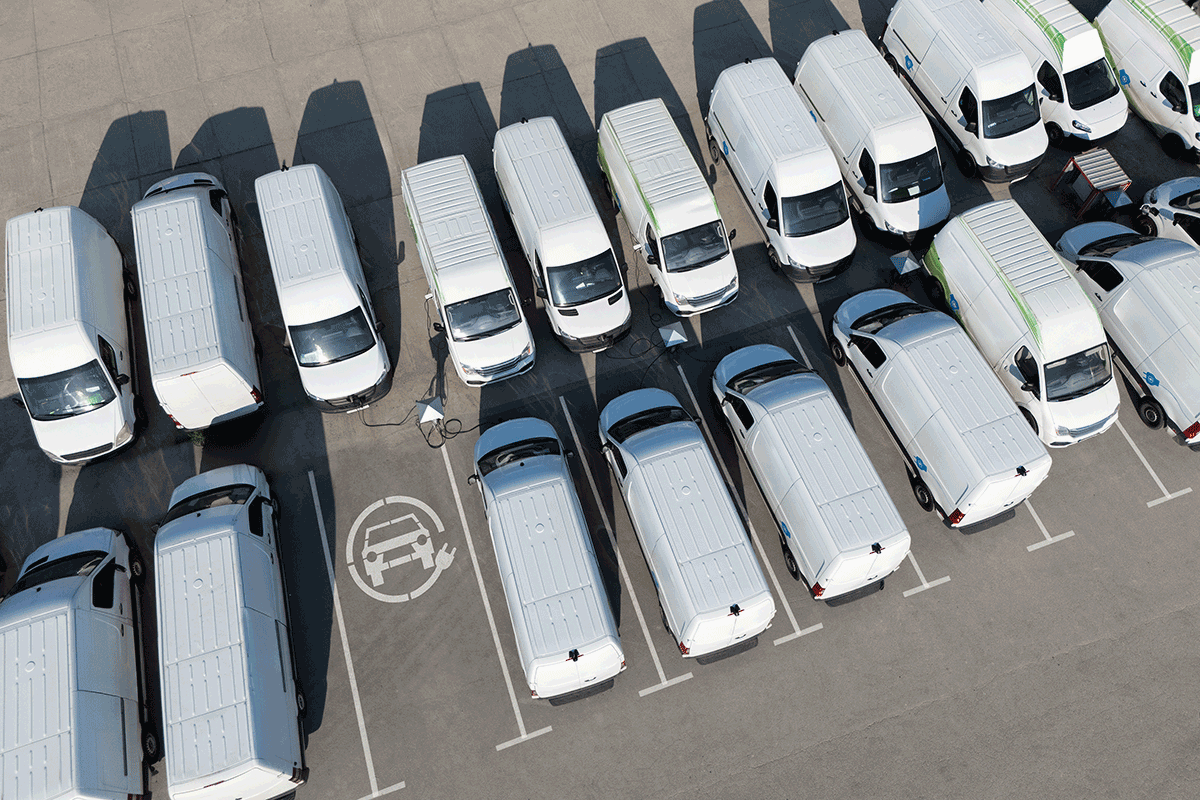
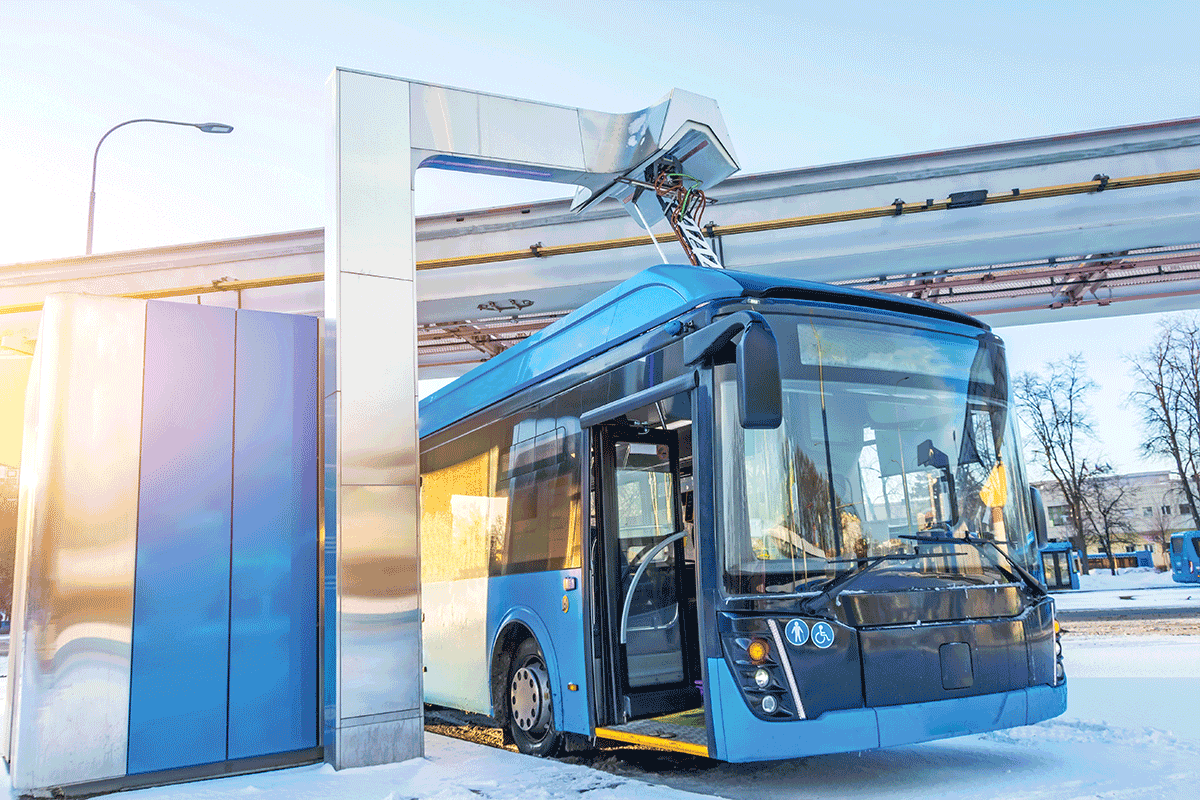
Department of Energy guidance explains EV charging station types, Level 1–DC fast equipment, connector terminology, and practical planning for procurement, installation, permitting, maintenance, and codes.
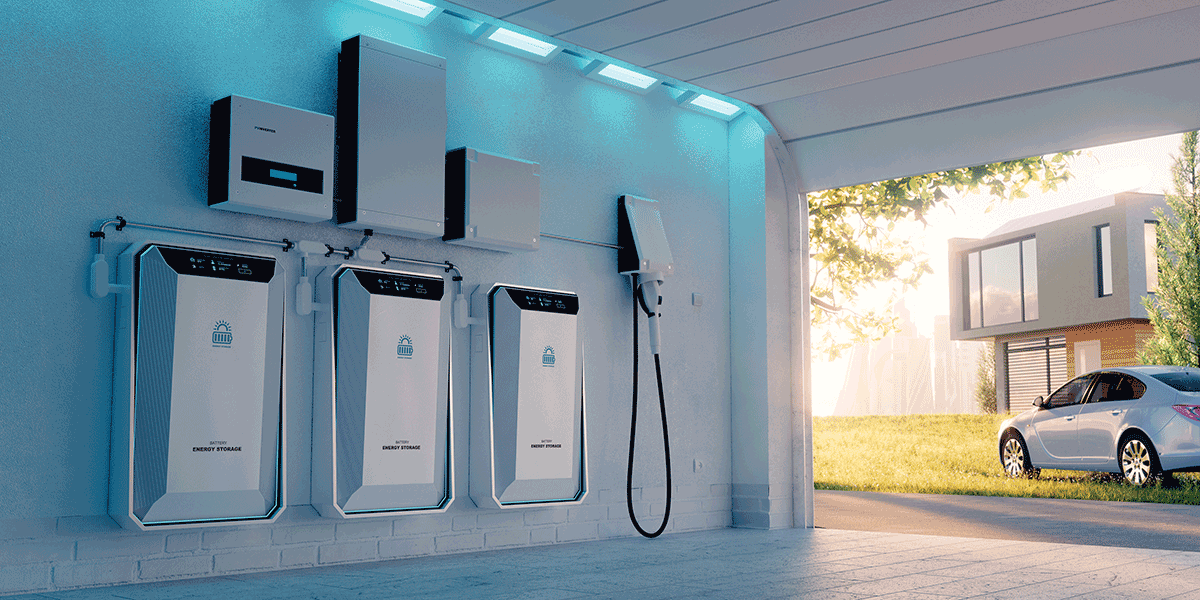
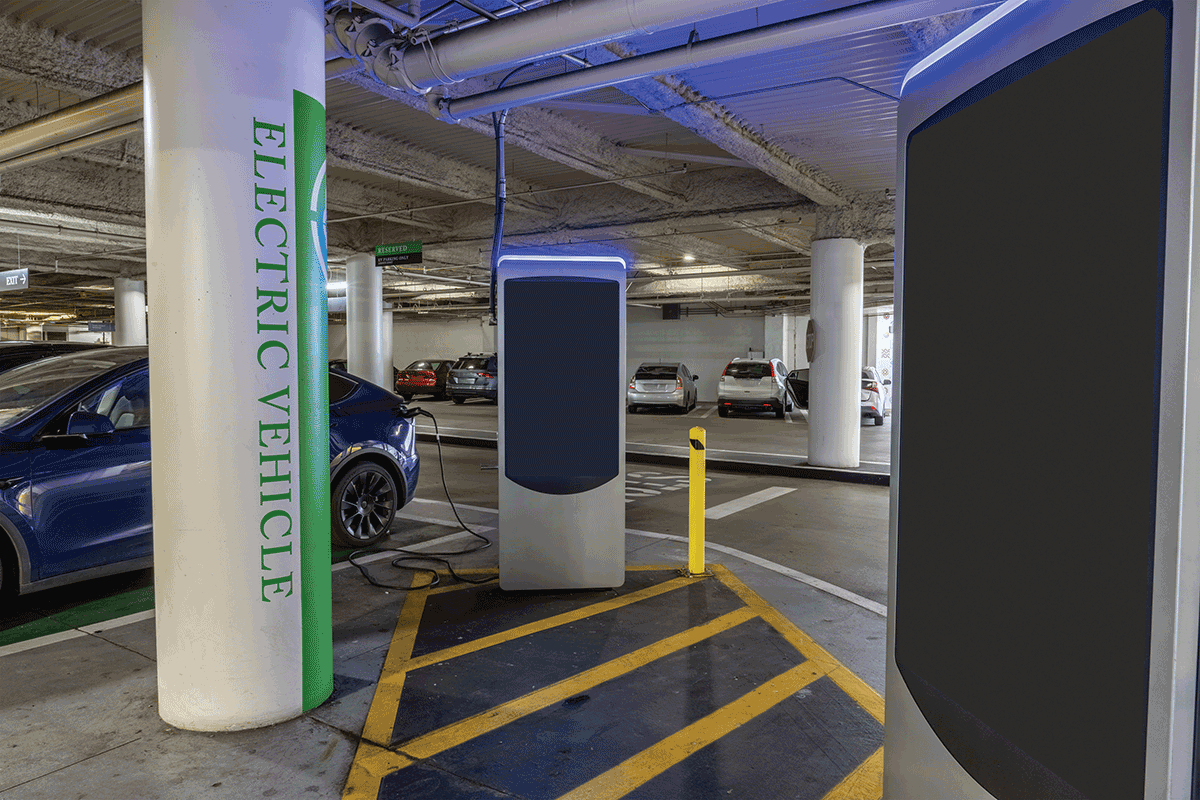
Examines how the 2026 NEC updates to Article 625 address higher-power EV Infrastructure 2.0 installations, highlighting key inspection priorities for safety, reliability, grounding, disconnecting means, and compliance.
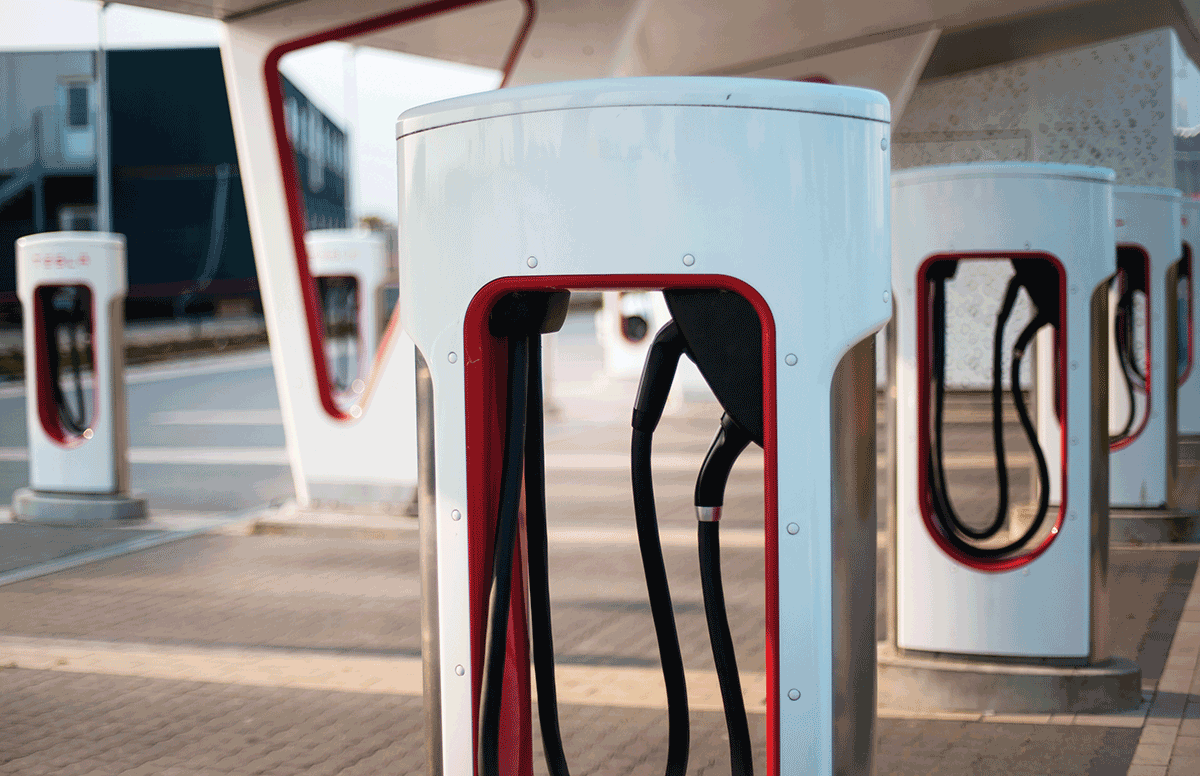
The rapid adoption of the North American Charging Standard (NACS) is creating new certification and inspection challenges as existing EVSE equipment is modified in the field.
Explore how governments can sequence policies across market stages and vehicle types to accelerate equitable, reliable electric vehicle charging infrastructure deployment.
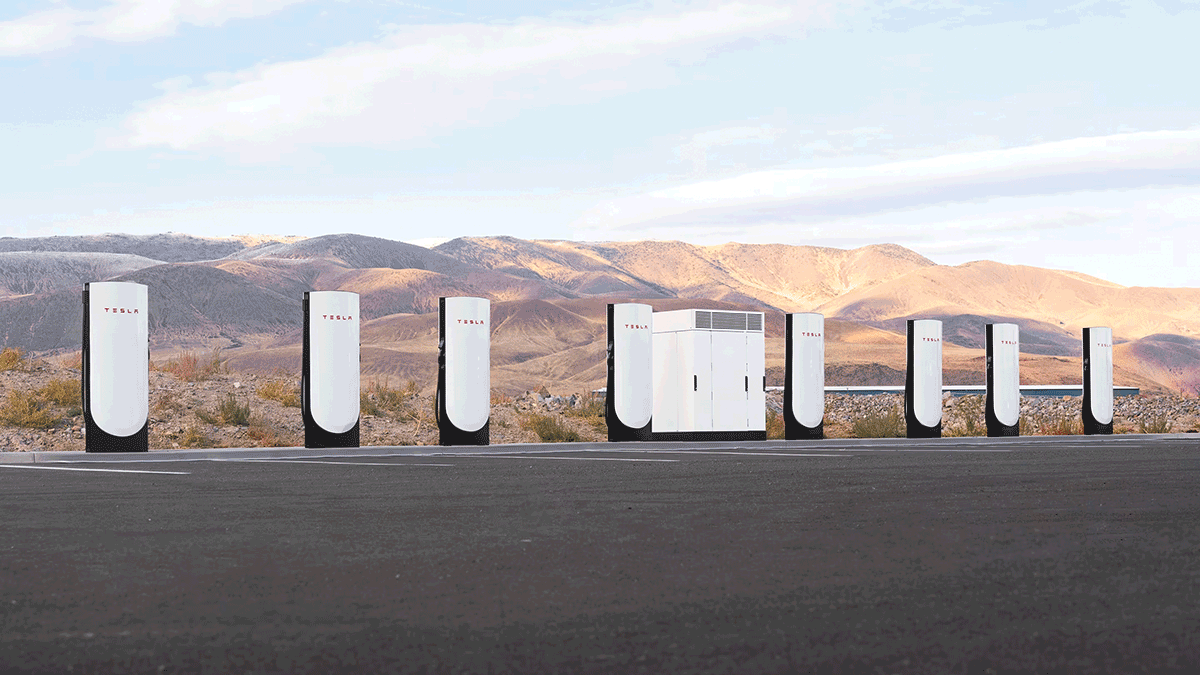
The shift from kilowatts to megawatts is redefining what matters in EV charging. Reliability, interoperability, and standards alignment now determine performance more than nameplate power.
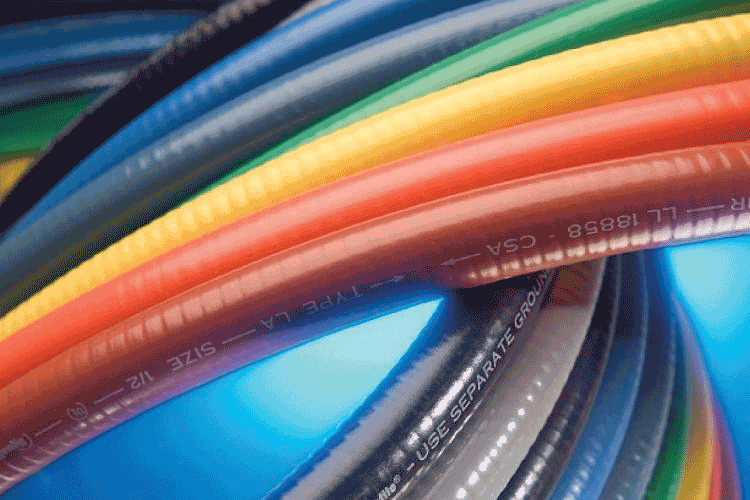
Explores the benefits and applications of liquidtight flexible metal conduit (LFMC), highlighting NEC Article 350 requirements, compliance standards, and its advantages in wet, corrosive, and demanding environments.
This article explores how EV charging can expand safely while improving efficiency, reliability, and interoperability in mitigating fire and shock risks.

This article reviews NEC Article 300.4 requirements for protecting concealed wiring in walls and explains how common fasteners can create short circuits, arcing faults, or shock hazards.