
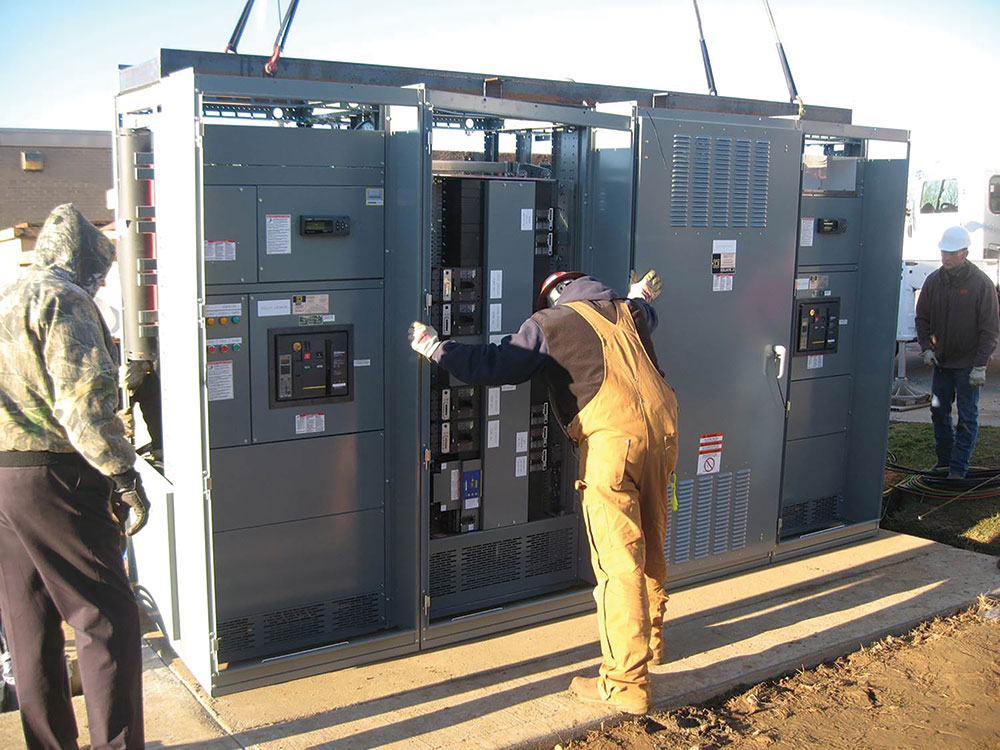
My accomplices and I have made up a mock service diagram to be used in an educational program. The electrical service is rated 4000 amps at 120/208 volts. We are supplying the service equipment with 12 sets of 600 kcmil aluminum type THWN per phase.

Today, switchgear designers know the phenomenon of St. Elmo’s Fire by other names. The glow is called a corona, and its crackling emission is called partial discharge.
Those of us in the inspection community and those associated with the inspection community, including inspectors at all levels, chief inspectors, building officials, and administrators responsible for funding, need to work diligently to increase the competency and quality of our inspection process and our inspection force.
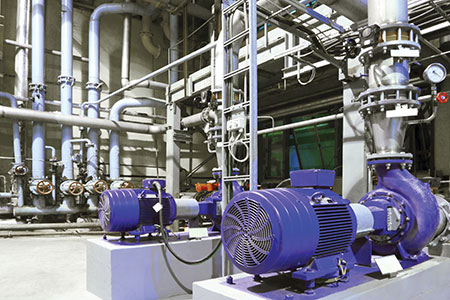
One common way of minimizing possibilities of electrical wiring and equipment becoming an ignition source in hazardous (classified) locations is to locate the equipment and wiring outside of the hazardous (classified) location wherever possible.
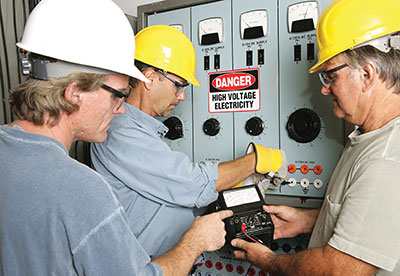
Working with electrical systems has inherent risks, and working with Renewal Energy (RE) systems is no exception. This article offers a look into the installer’s world of required electrical safety guidelines and procedures.
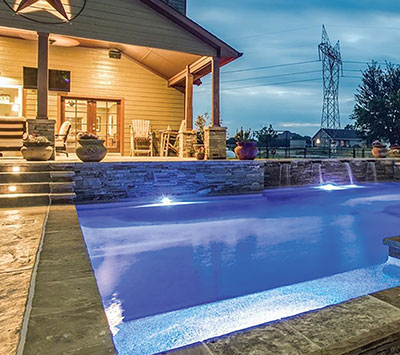
Perhaps nowhere in the Code is this mystery more prevalent than at 680.26 dealing with equipotential bonding for swimming pools and similar installations.
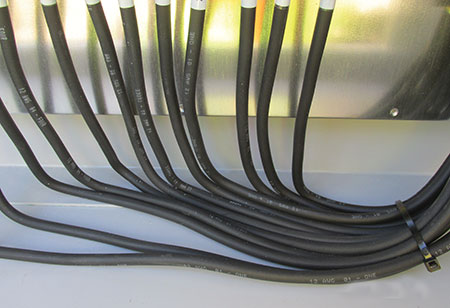
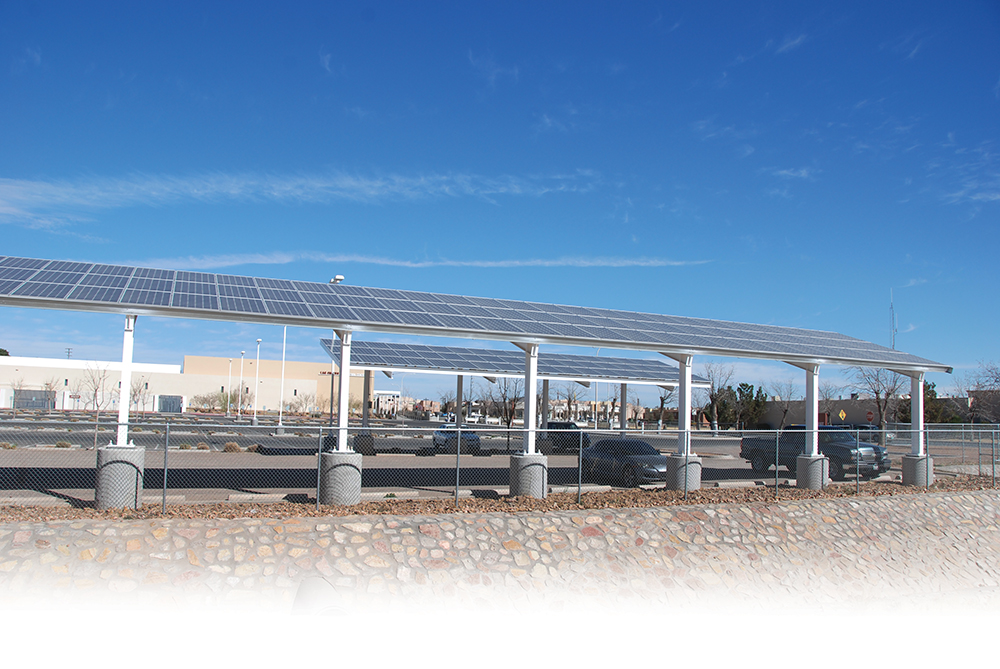
This article will focus on the inspection of DC combiners, tracker controllers and other unique and challenging situations utilizing the NEC, UL Standards, and the Building Code.
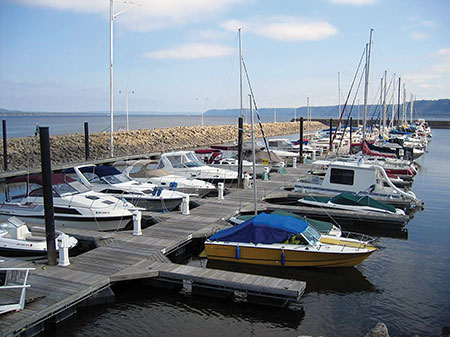
ESD often occurs when low levels of alternating current (ac) are present in the water and pass through a person’s body, causing paralysis of their muscular and skeletal systems while swimming or otherwise immersed in fresh water.
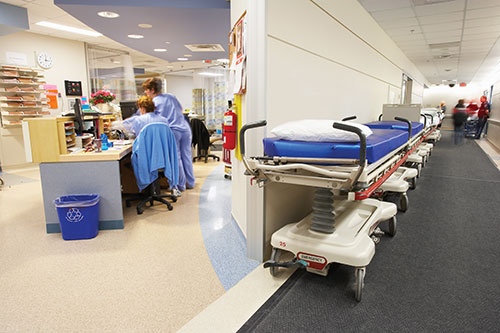
In layman’s terms, selective coordination is the ability to isolate an overcurrent condition in the electrical distribution system, by operating only the nearest upstream overcurrent protective device.
Electrical distribution systems serve us on a daily basis whether we are sitting in our home, driving down the road or at work. This important infrastructure must be maintained, if not for longevity sake, for safety sake.