
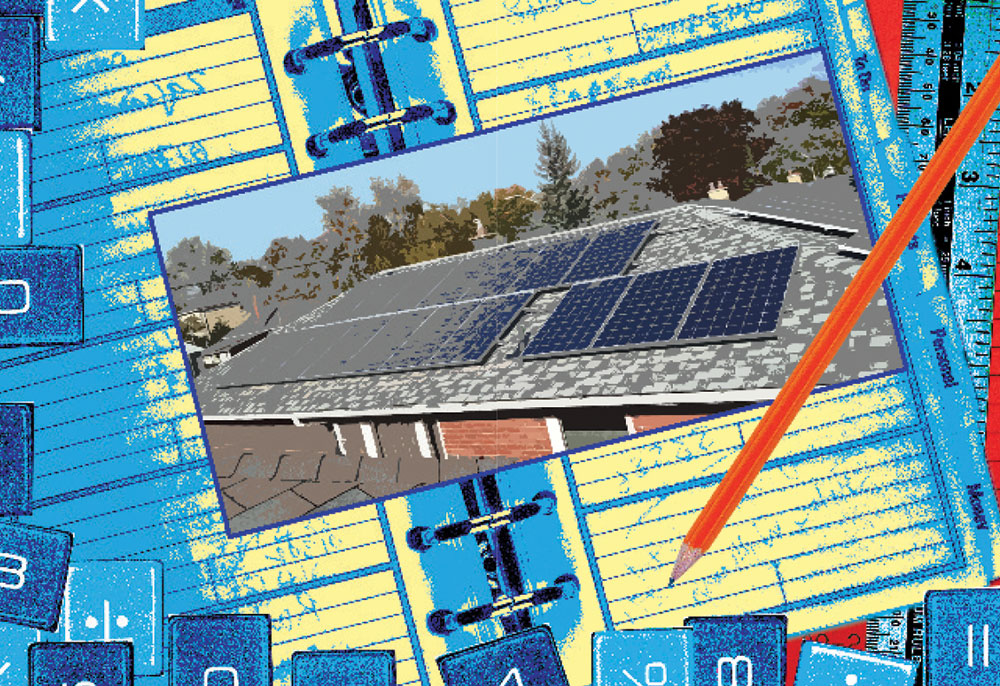
In this article, we will look at the dc currents in the PV system and see how they vary with the environment and how the Code is modified from the normal requirements to deal with these variations.
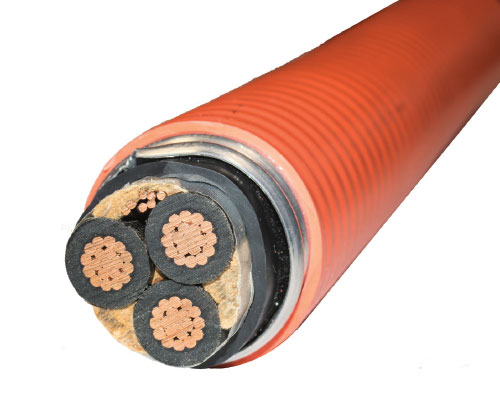
By this time, the subject of FT marking for combustible insulation and jackets of conductors and cables should be well understood by the Canadian Electrical Code (CE Code, Part I) users.
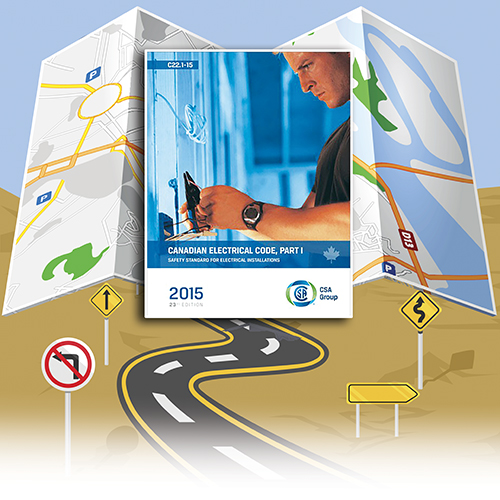
Guide to the Canadian Electrical Code, Part I – Section 12 Wiring Methods: Installment 8 in a Series
It should be noted that while many other sections of the CE Code are commonly used by designers, installers and regulators, Section 12 is mostly used by electricians and by electrical inspectors.
This is the first of a series of articles detailing significant changes approved by the Technical Committee for the 2018 Canadian Electrical Code Part I (CE Code).
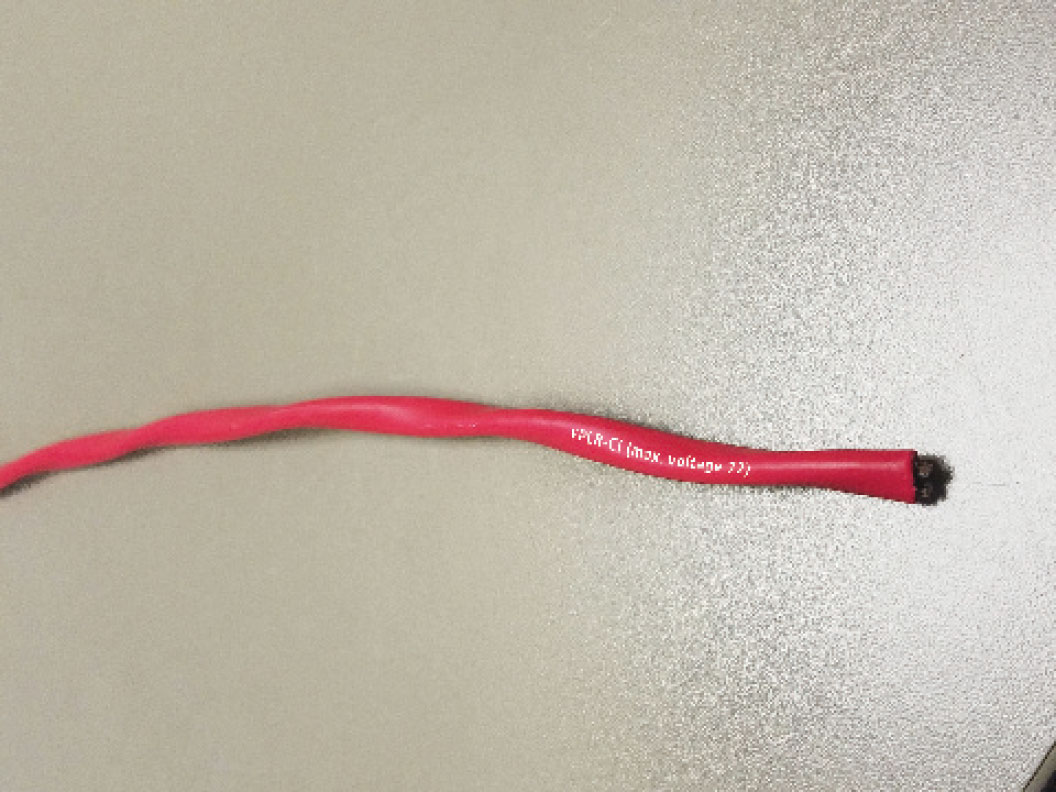
I remember a few years back that circuit integrity (CI) cables all lost their Listings. Is this still true today? Are there any Listed CI cables?

In the early stages, before we could embark on building a plan, we had to define our vision, our mission, our purpose, and our values. By clearly defining these items, the board set the framework for the association to build Vision 2021.
Section 10 is a general section of the Canadian Electrical Code and applies to all installations unless amended by other Sections of the CE Code.

Test your knowledge of Ampacity requirements in the 2017 NEC by taking this Code Hunter quiz. Be sure to have your Code book ready!
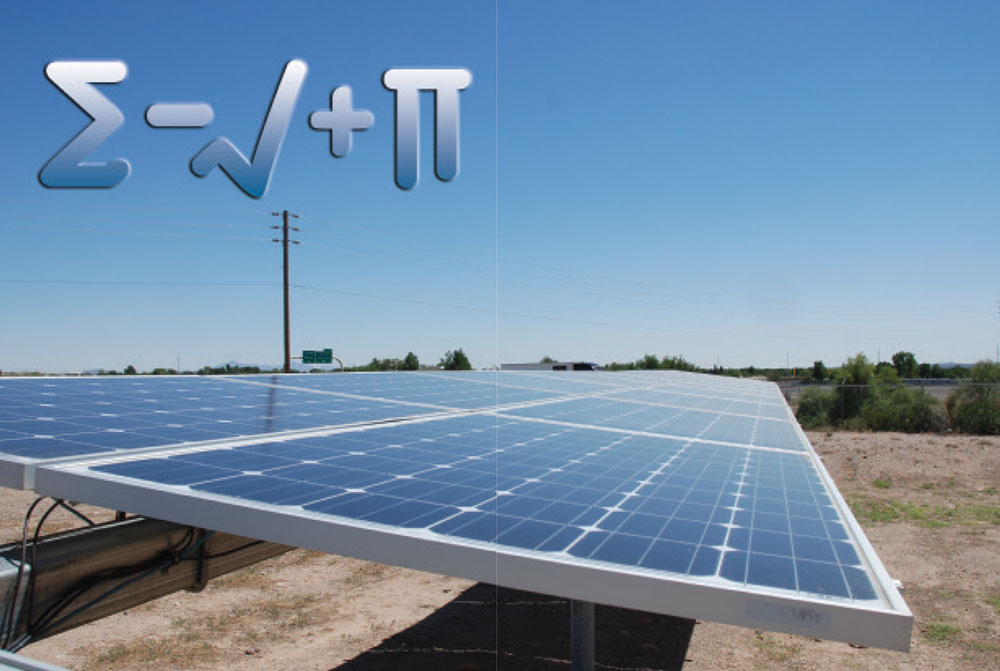
The direct current output of a dc PV module varies with the sunlight intensity, the temperature of the module, and the load connected to that module.
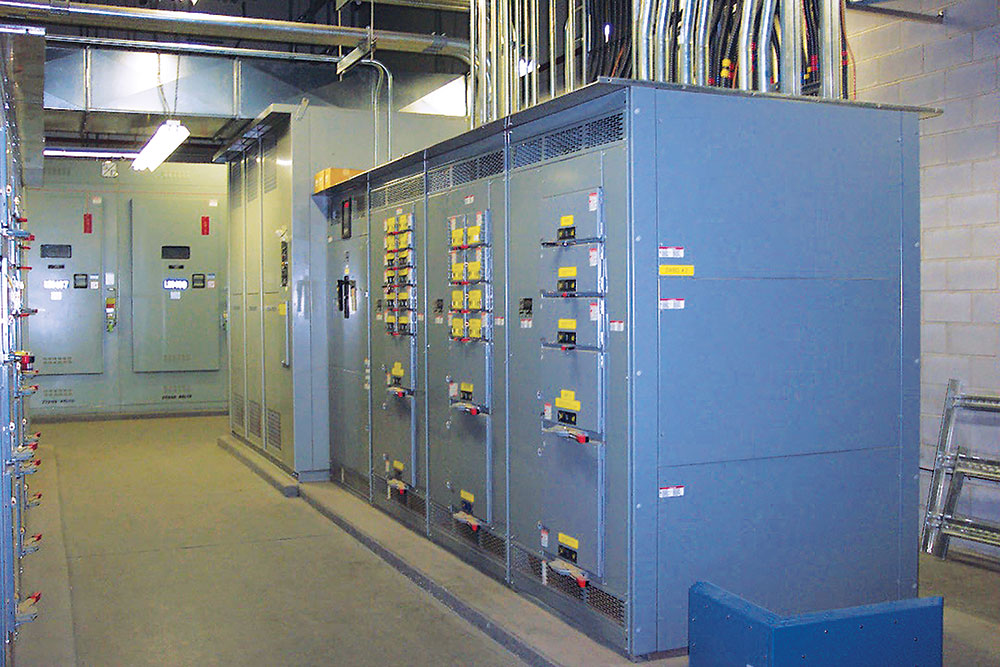
To start with let’s look at the different types of ground fault protection. The remainder of this article will focus on ground fault protection requirements for distribution equipment.