

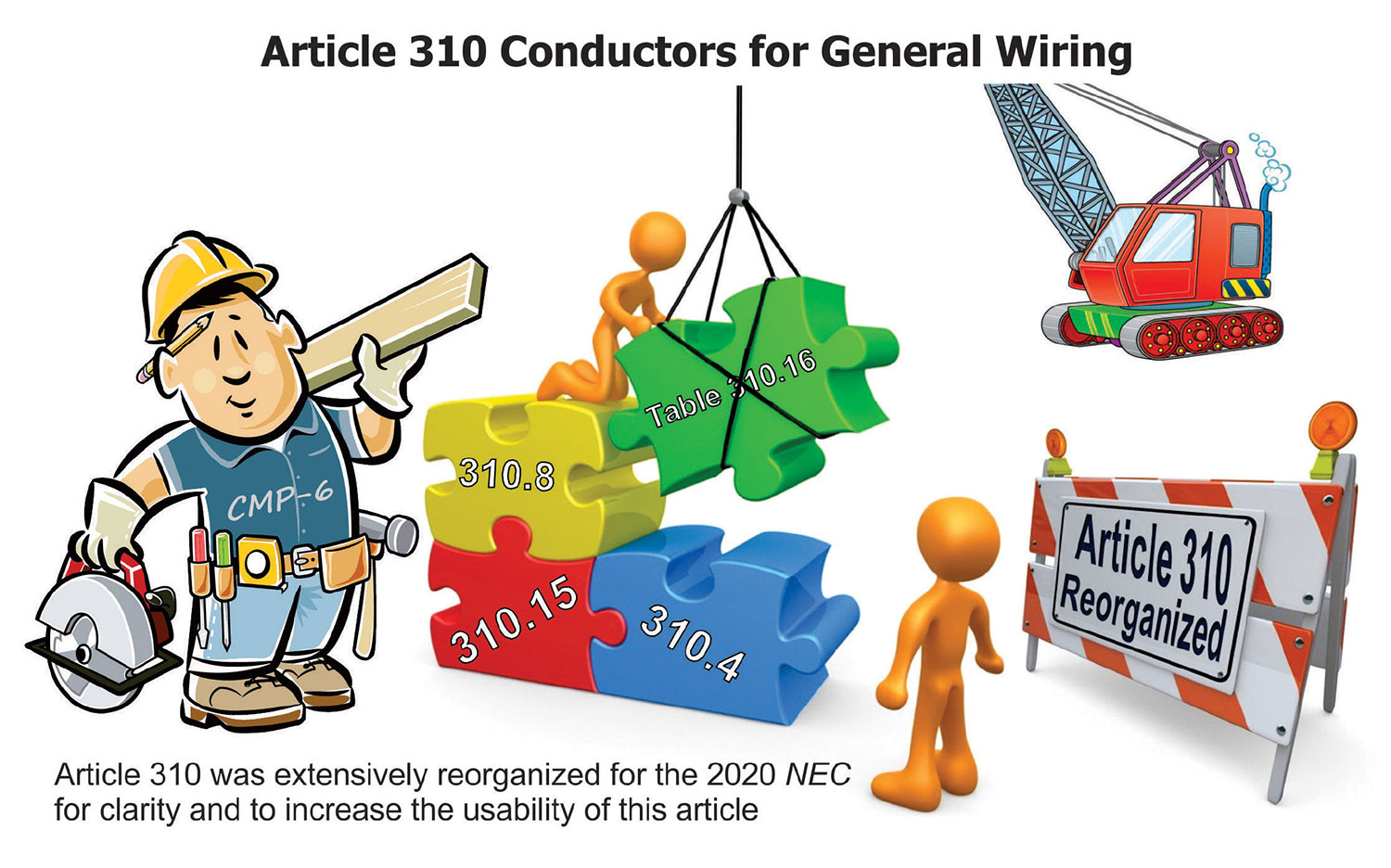
Let's a look at some of the more substantial changes to Article 310 for the 2020 NEC, which covers general requirements for conductors.
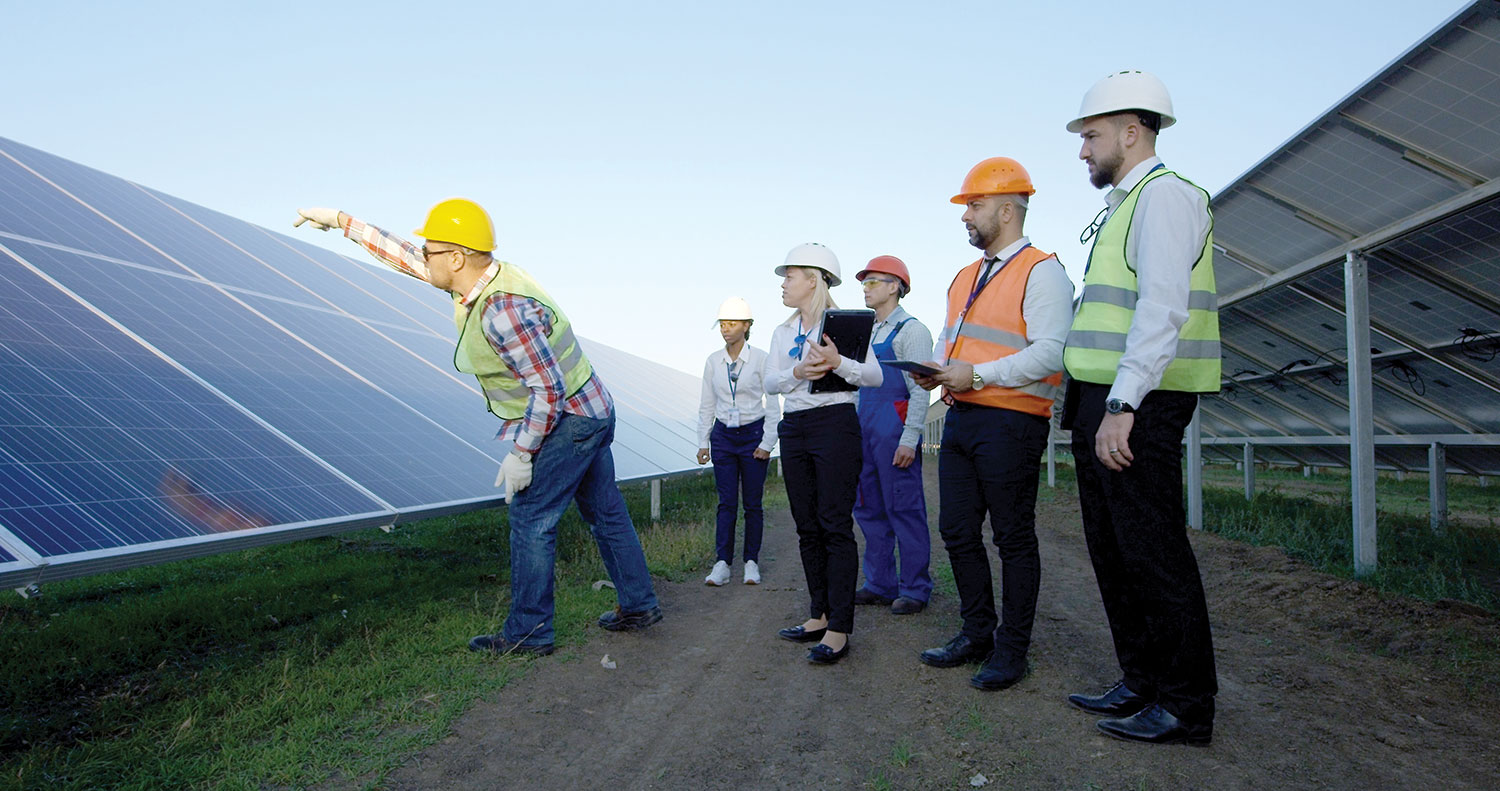
We have continued to see Distributed Energy Resources (DER), such as wind, solar, battery storage, and electric vehicles (EVs), become a top priority over the years.
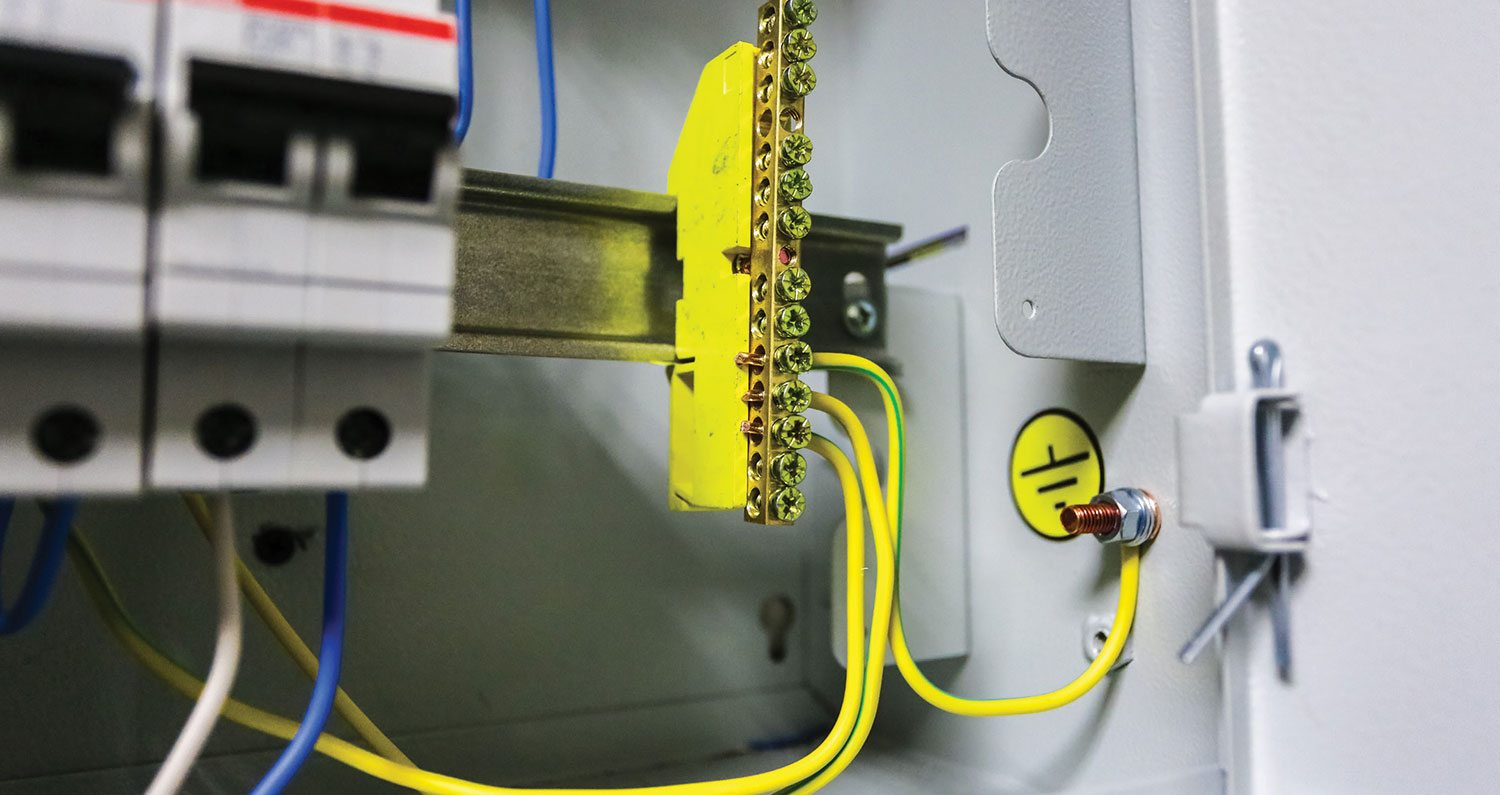
Although Section 10 of the Canadian Electrical Code, Part I (CE Code), which applies to grounding and bonding, has been re-written in the 2018 edition of the Code, I keep receiving questions from the readers regarding the fundamentals of grounding and bonding.
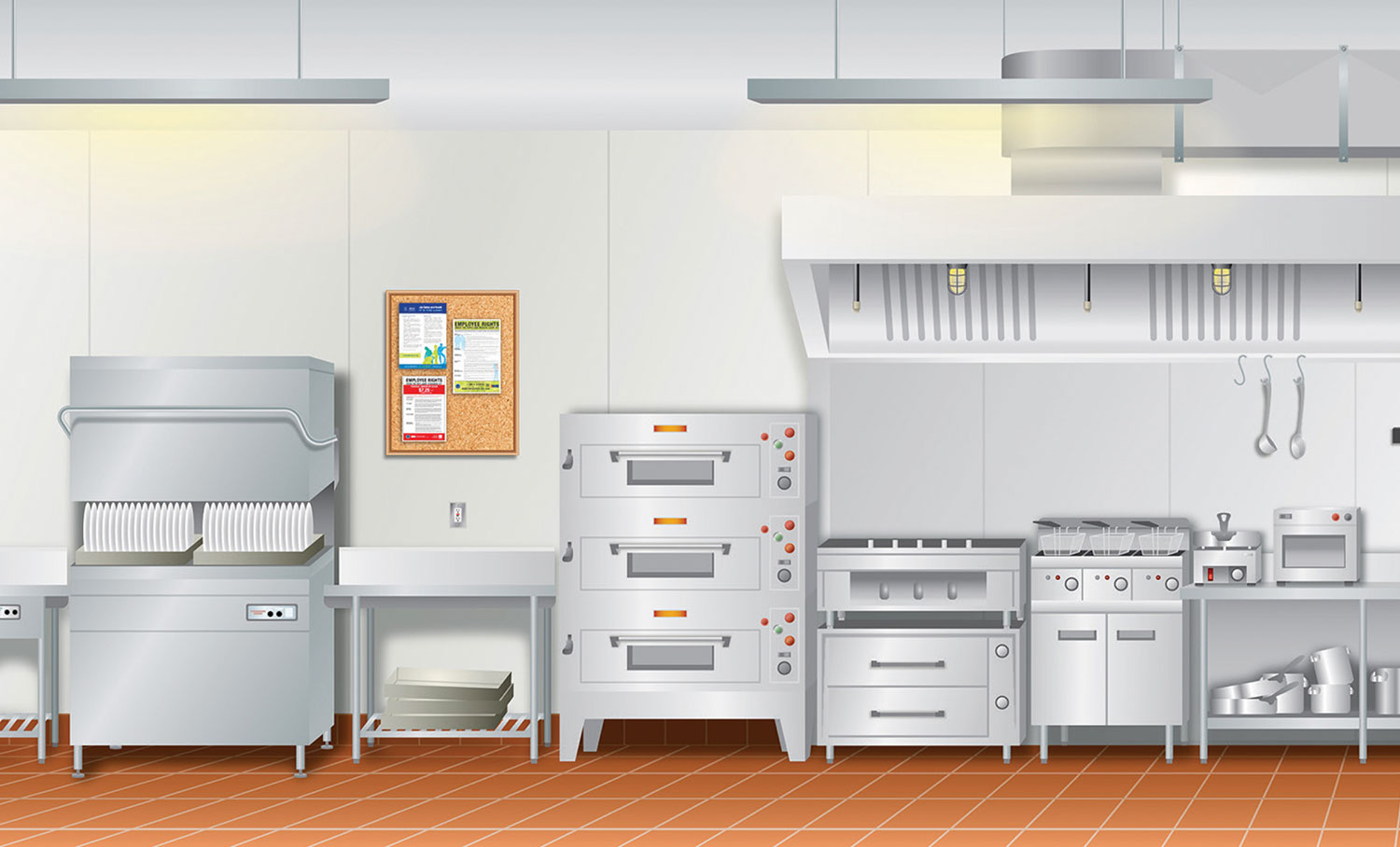
Let’s look at an area of a commercial building that has many of the components that cause a dangerous and potentially deadly event just lying in wait – a commercial kitchen.
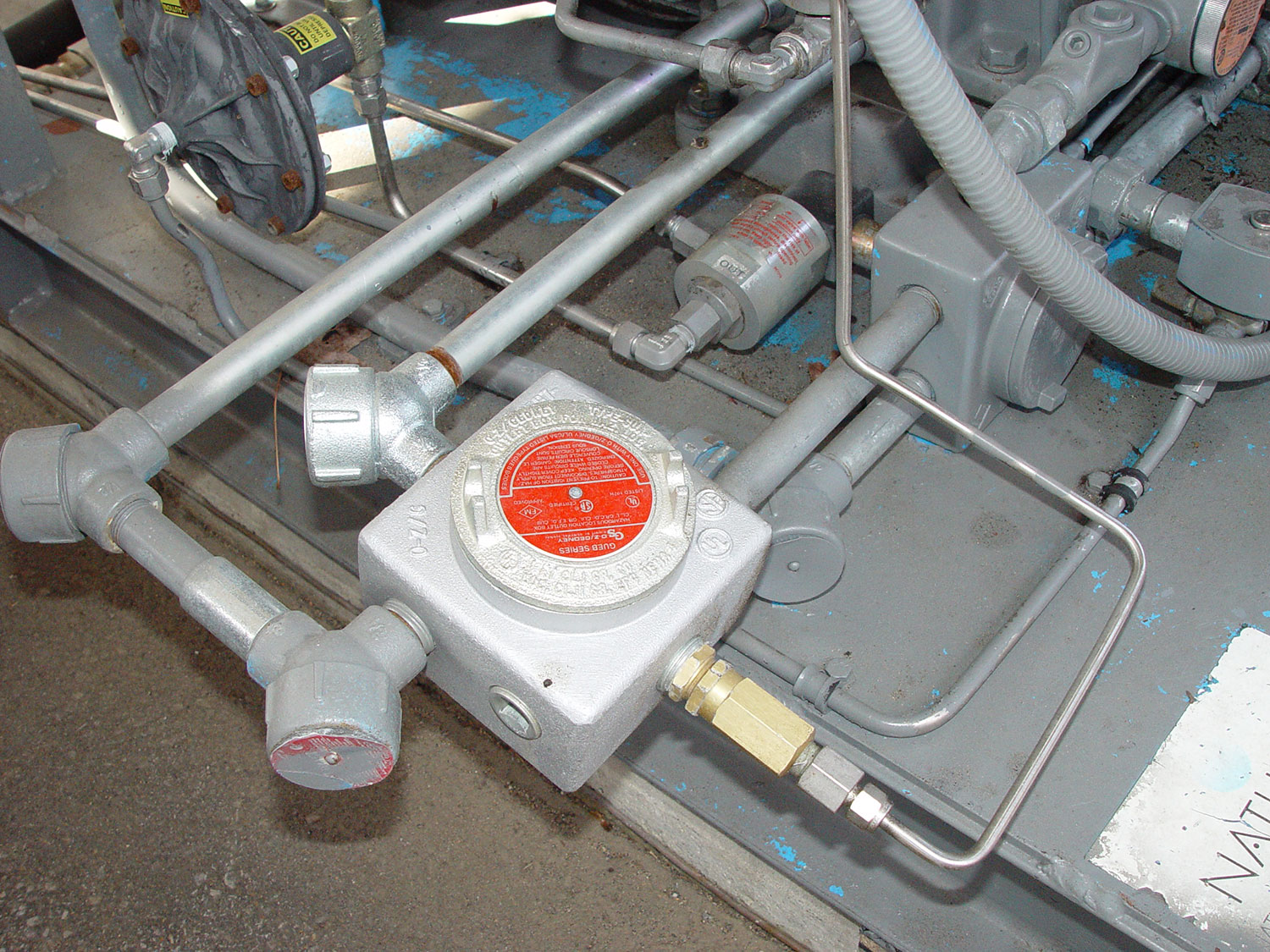
Some of the most intimidating work that an authority having jurisdiction (AHJ) can encounter involves hazardous (classified) locations and what classification those areas will carry.
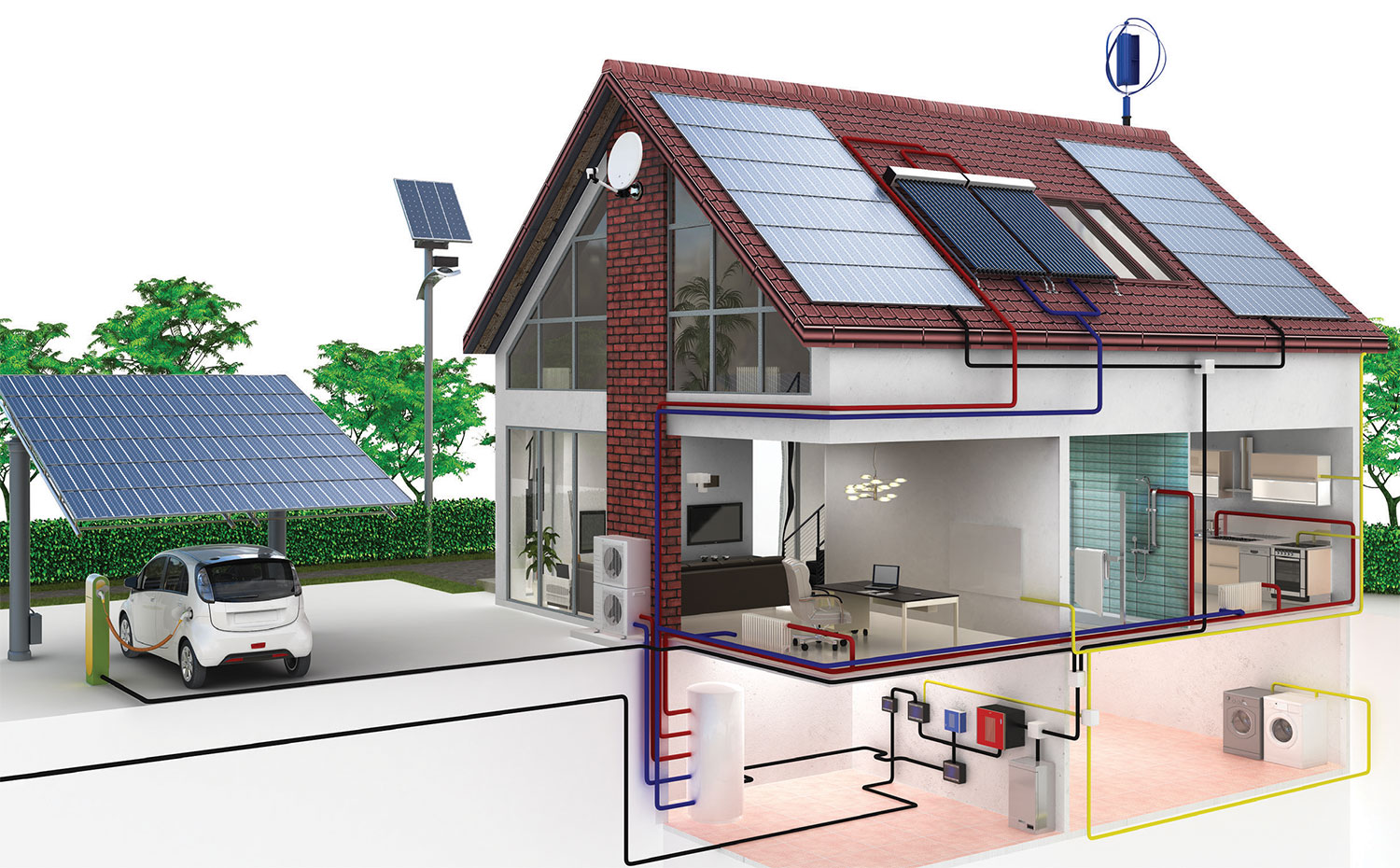
The intent of the 2018 IRC Section R327.2 is that energy storage systems (ESS) be Listed (Certified) to UL 9540, the Standard for Safety of Energy Storage Systems and Equipment.
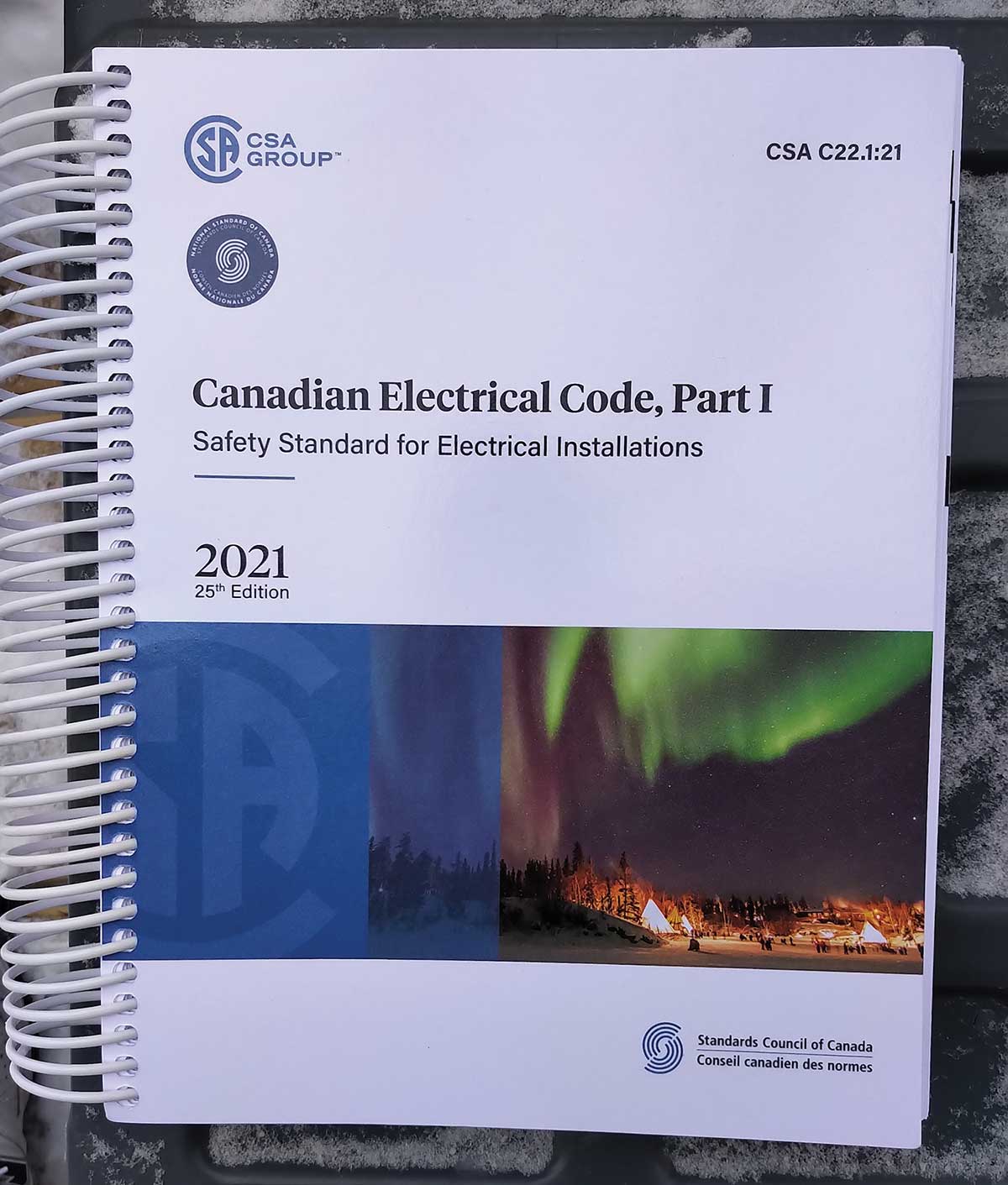
This is the second of a series of articles detailing significant changes for the 2021 Canadian Electrical Code Part I (CE Code).